
Chronology of Fancy Yarn Color Trends
Fancy yarn is not only a choice of textile raw material but also a carrier of fashion and aesthetic changes. Its color evolution is influenced not only by global color trends but also closely related to technological innovation, cultural movements, and social psychology. Reviewing the past decades, the shifts and patterns of fancy yarn colors become clear.
1. Late 20th Century — The Beginning of Color Diversification
In the late 1990s, accelerated globalization and information flow dramatically increased the speed of color information dissemination. The colors of fancy yarns in this period mainly featured basic colors plus highly saturated bright colors:
Basic colors (such as beige, gray, camel) dominated the international market, meeting daily needs of knitwear.
Highly saturated bright colors (like lemon yellow, lake blue, magenta) were widely used in accessories such as scarves and hats, highlighting personal style.
During this phase, dyeing technology gradually popularized the combined use of disperse and reactive dyes, making colors brighter and more washable.
2. 2000–2010 — The Influence of the Pantone Color System
Entering the 21st century, the annual Pantone Color of the Year became a key global design industry reference. Fancy yarn manufacturers began closely tracking these annual trends and swiftly releasing corresponding color ranges:
Early 2000s: Influenced by minimalism and the “Millennium White,” cool tones like silver-gray, off-white, and icy blue became popular.
2005–2010: Amid global economic fluctuations and cultural diversification, warm tones (caramel, burgundy, warm orange) and soft pastel macaron colors rose simultaneously.
In dyeing technology, eco-friendly dyes emerged, and OEKO-TEX® certification became a bonus for export yarns. Digital color matching systems improved color accuracy and batch consistency significantly.
2. 2000–2010 — The Influence of the Pantone Color System
During this decade, the global fashion industry embraced sustainable fashion, influencing fancy yarn color trends accordingly:
Natural colors (raw cotton, linen gray, tea brown) gained popularity due to fewer dyeing steps and lower environmental impact.
Low saturation hues (smoky pink, misty blue, sage green) were favored by hand-knitting enthusiasts for their warm, healing atmosphere.
Technologically, waterless dyeing and plant-based dyes began trial phases, especially advantageous for high-end, small-batch fancy yarns. Mixed spinning and space-dyeing techniques became widespread, creating natural gradients and textures.
2. 2000–2010 — The Influence of the Pantone Color System
Post-2020, after the pandemic and economic upheavals, consumers’ psychological needs for color became more apparent:
Soothing warm tones (such as Pantone 2024’s Peach Fuzz) gained popularity, emphasizing softness and security.
Steady and textured neutral dark tones (like Pantone 2025’s Mocha Mousse) reflected refined, understated luxury.
Vibrant accent colors (fluorescent green, bright magenta) appeared in small amounts, injecting youthfulness into minimalist palettes.
Dyeing technology entered a digital and customized era: 3D color sampling and AI color forecasting enabled quick alignment with trends and small-batch production to meet brand and designer customization demands.
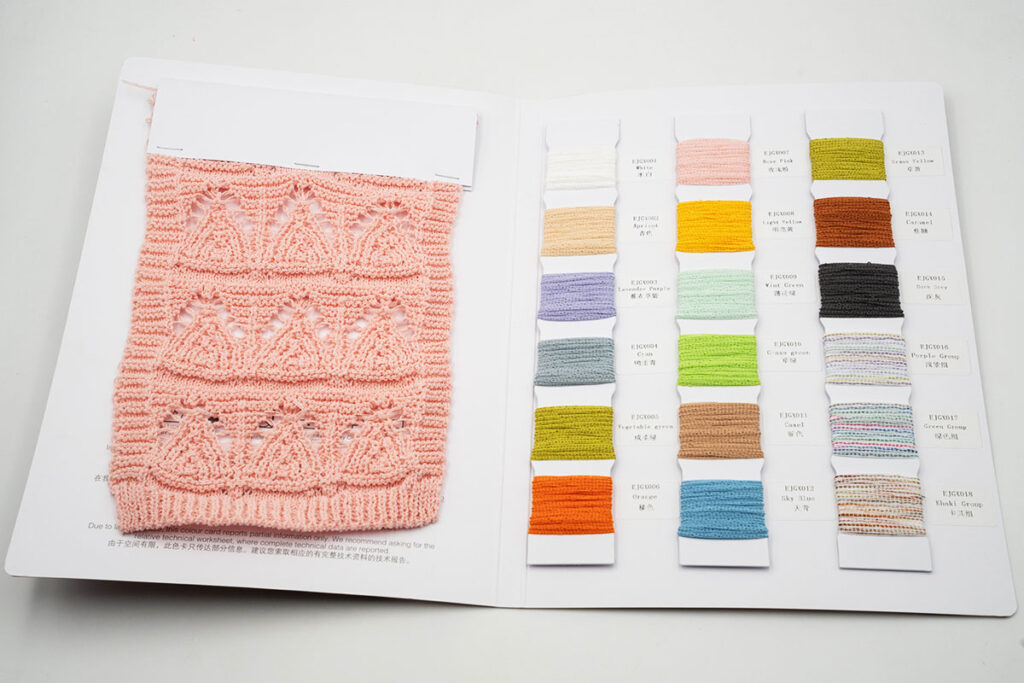
The Logic Behind Trends — From Color to Emotion Mapping
Fancy yarn color trends are more than just “what’s popular this year.” They are a comprehensive reflection of social moods, consumer psychology, cultural aesthetics, and industrial technology. Looking back over the past 20 years reveals these patterns:
Economic and Social Environment Reflection
In prosperous and optimistic years, yarn colors tend toward bright saturation (e.g., mid-2000s bright orange, lively green), representing optimism and expansion.
In downturns or uncertain times, popular colors shift to soft neutrals (e.g., post-2008 crisis grayish pink, smog blue), conveying safety and stability.
Technological Advancement Driving Force
Early fancy yarn colors were limited by dyeing technology and environmental regulations.
Over the last decade, digital color matching, upgraded reactive dyes, and low-temperature dyeing allowed for more complex gradients, metallic sheens, and multi-color effects, enriching color layers.
Cross-Industry and Global Cultural Integration
The internet and social media have shortened the cycle of global color trends. Inspirations from Paris runways, Tokyo street style, and New York home expos are quickly absorbed and transformed into yarn color cards.
Fancy yarn color trends have evolved from pure fashion orientation into multi-domain resonance across apparel, home textiles, accessories, and art.
Rise of Emotional and Personalized Expression
Younger consumers demand colors that express emotions, not just aesthetics. This drives the creation of story-rich palettes like “nostalgic milk tea,” “Nordic mist blue,” and “digital ultraviolet.”
Future Trend Outlook — Possible Directions for Fancy Yarn Colors
Combining insights from global color institutions (like Pantone), fashion forecasting platforms (such as WGSN), and industry feedback, the likely directions for the next 5 years are:
Return to Nature and Revival of Earth Tones
Climate change and sustainability will keep nature-inspired colors popular: sandstone, moss green, terracotta brown.
These colors suit fancy yarns with strong texture and warmth in both touch and visual effect.
Soft Misty and Healing Colors
Post-pandemic, comfort and healing remain in demand. Grayish pinks, blues, and greens combined with soft yarns like mohair and boucle create a sense of gentle wrap.
Commonly used in knit loungewear and winter scarves, transmitting a warm, cozy feeling.
Digital Neon and Futuristic Colors
The metaverse, AI art, and digital fashion will push highly saturated neon or metallic shades.
Ideal for sequined fancy yarns, metallic blends, and iridescent wrapped yarns with high visual impact.
Widespread Use of Blending and Gradients
Consumer interest in monotonous single colors declines. Mixed color yarns (two or more twisted strands), gradient dyeing, and space-dyeing will be favored more.
Emotional color themes like “sunset gradient,” “forest shadows,” and “urban neon” will guide palettes.
Breakthroughs in Eco Dyeing and Waterless Technologies
Stricter regulations and rising eco-awareness will expand waterless dyeing and dope-dye fiber applications.
Future fancy yarn color trends will consider aesthetics alongside sustainability and traceability.
Industry Recommendations
Preemptive Color Inspiration Locking: Track international color releases (Pantone, London Yarn Show, Spinexpo) and translate trends into color cards and samples 1-2 seasons ahead.
Design Color with Yarn Texture in Mind: The same color can appear vastly different on varied yarn structures; e.g., misty blue on boucle yarn is softer than on smooth yarn.
Storytelling Marketing: Bind colors to life scenes or emotions (like “First Snow Blue” or “Hearth Brown”) to create emotional resonance when customers choose colors.
Related News
Discover more about the latest developments in the yarn industry, explore articles on development trends and innovative technologies, and provide you with more industry insights.
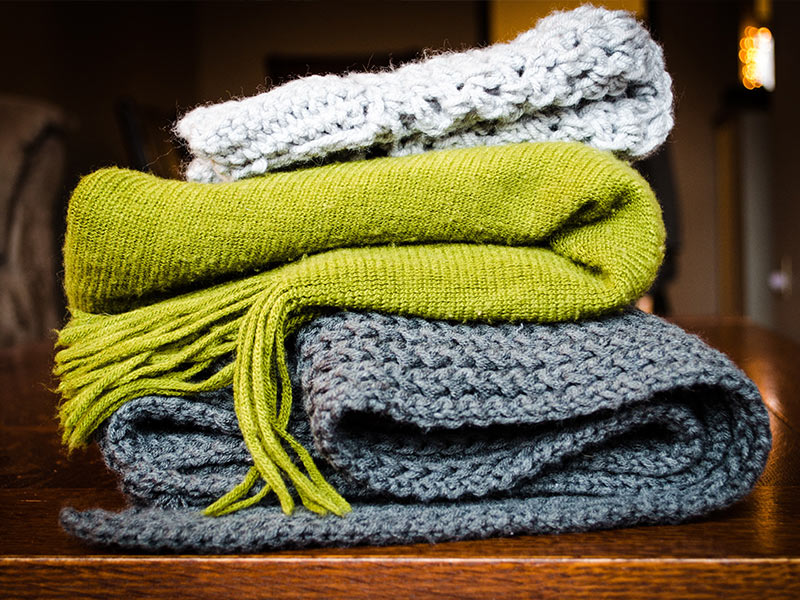
Best Yarn for Winter Sweaters: Warm, Durable & Commercially Viable Choices
Winter sweaters are one of the most important product categories in knitwear collections. Unlike transitional garments, winter sweaters must deliver strong insulation, long-term durability, and consistent comfort under cold conditions.
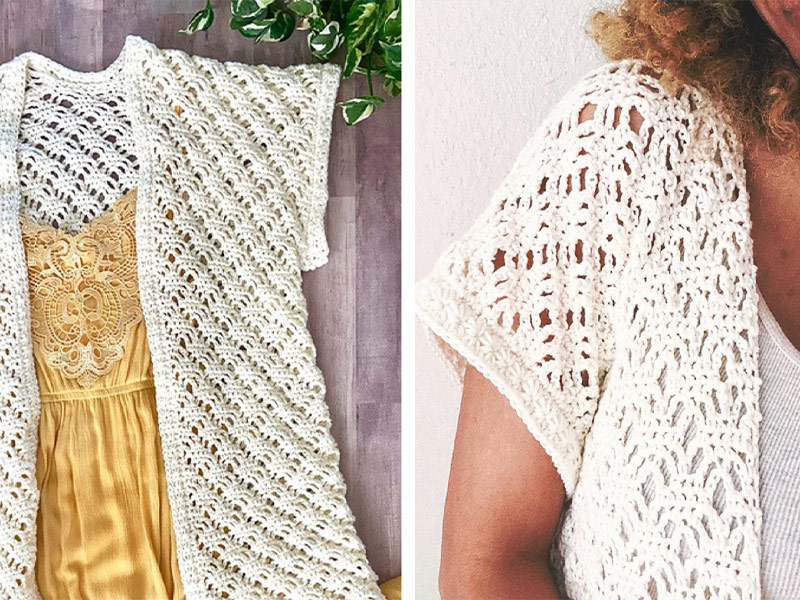
Best Yarn for Summer Cardigans: Lightweight, Breathable & Commercially Viable Options
Summer cardigans occupy a unique space in the apparel market. Unlike winter knitwear, they must provide light coverage without trapping heat, while still maintaining structure, drape, and aesthetic appeal.
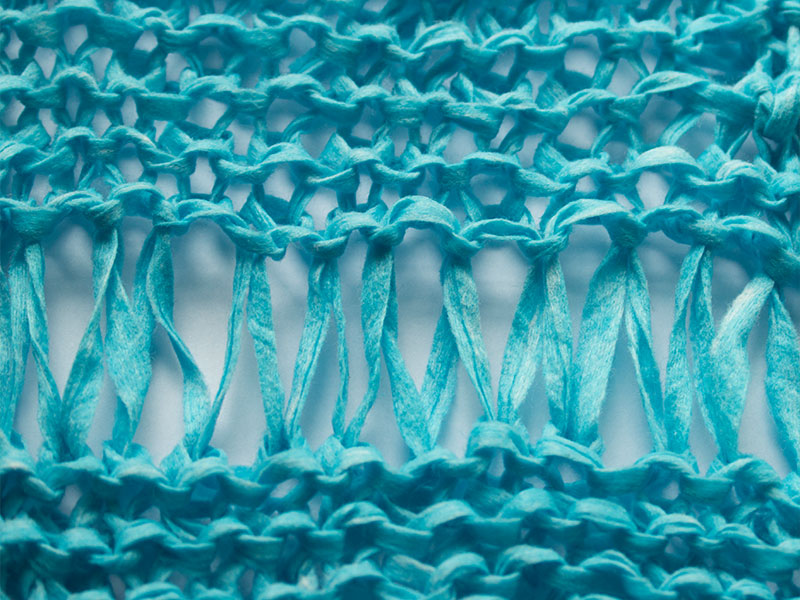
What Is Ribbon Yarn Good For? Uses, Benefits & Creative Applications Explained
Ribbon yarn is one of the most visually interesting types of fancy yarn. Ribbon yarn has a completely different texture than regular spun yarns because it is flat and tape-like and has a smooth surface.