The Secret Behind “Fuzzy Yarns”: How Different Fancy Yarns Make Soft, Fluffy Textures

In the fall and winter, nothing feels warmer or more welcoming than yarns with a soft, fuzzy touch. These “hairy” fancy yarns not only add warmth to any fabric, but they also give it a sense of texture, depth, and life. But how do these fluffy effects happen?

Let’s take a closer look at five common types of fuzzy fancy yarns: crochet yarn, blowing yarn, raised yarn, sueded yarn, and bouclé yarn. We’ll talk about how each one gets its unique surface effect, how comfortable it is, how much it costs, and what it’s good for.

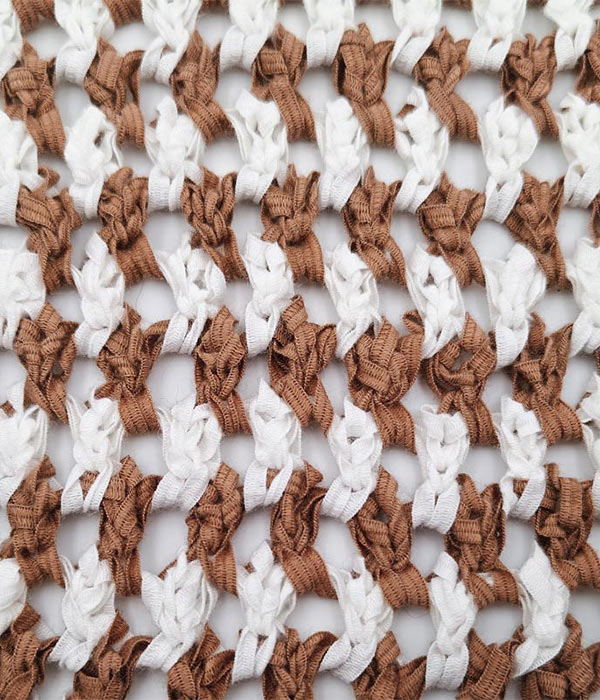
Yarn for crochet

How it’s made: To make crochet yarn, fibers of different lengths or thicknesses are added to the yarn structure, or elastic threads are added that naturally make loops while the yarn is being spun. The texture looks like the look of crochet stitches that were made by hand.

Comfort: Soft and a little three-dimensional, with a hand-made feel that is gentle on the skin.

Price: Medium to high because it takes longer to make.

Usefulness: Great for shawls, scarves, or cardigans that have a handmade or artisanal look. But the fluffy loops make it less good for clothes that are tight or rub against each other a lot.

Pros: It has a soft feel and a lot of visual depth.

Disadvantages: Expensive and easy to get caught on

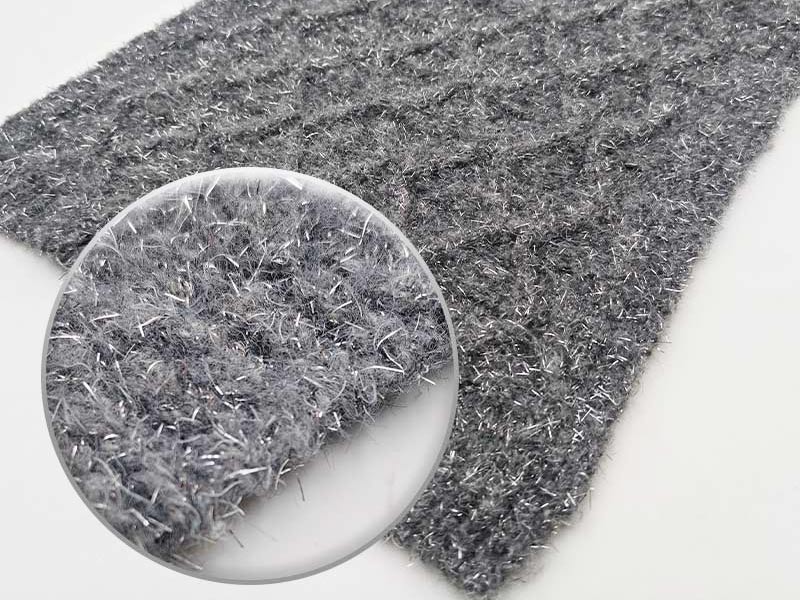
Spray Yarn

How it’s made: This yarn is made by blowing air onto a core yarn and attaching fine short fibers like acrylic, nylon, modal, or mohair. This makes a soft halo of fibers that looks like animal fur.

Comfort: Very soft and silky, and it feels light on the skin.

Price: It depends on the fiber used, but it’s in the middle to high range.

Use in real life: Often used in yarns that look like fur, like faux mink or rabbit hair. Great for wraps, sweaters, and scarves that need to be warm and light at the same time.

Pros: ✅ Looks naturally fluffy and luxurious

Cons:  ✅ Can shed or flatten with friction; needs to be washed and cared for gently

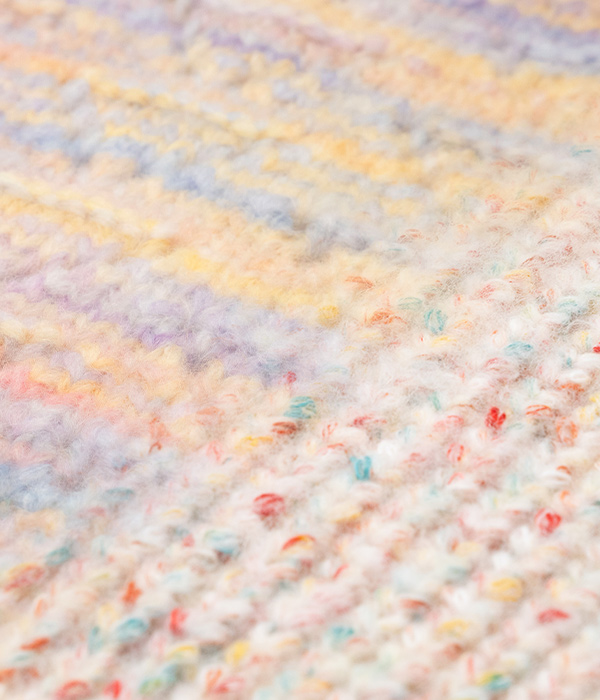
Yarn that has been brushed

To make raised yarns, you use a machine to brush or raise the yarn surface and pull out small amounts of fiber to make a smooth, fine nap layer.

Comfort: It feels smooth, warm, and full-bodied when you touch it.

Price: Fair; production is steady, and the product is widely used.

Common uses: sweatshirt yarns, knitted wool blends, and thermal fabrics. The raised surface keeps you warmer without adding much weight.

Pros: It has a nice, even nap, feels soft in the hand, and keeps you warm.

Disadvantages: Not being able to control the fibers well enough can cause them to break or pill.

Yarn that has been sanded

How it’s made: Fine sanding rollers or carbon brushes lightly rub against the yarn to make it suede. The process gently lifts microfibers on the surface, making a soft “peach skin” look.

Comfort: Very soft and smooth, doesn’t bother the skin.

Price: Cheap and easy to make in large quantities.

Use: Great for light knits, loungewear, and casual tops. The surface is matte and elegant, giving it a high-end feel without adding extra thickness.

Pros: Feels soft on the hands and is good for the skin

Cons: Only a little fuzzy; doesn’t have a lot of texture depth.

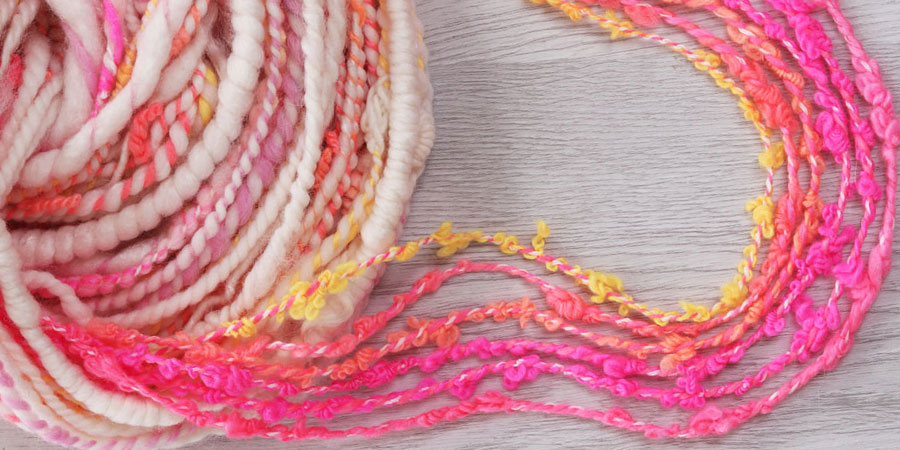
Boucle Yarn

How it’s made: Bouclé yarn is made by twisting two or more strands of yarn together at different tensions. This makes one strand form regular or irregular loops on the surface.

Comfort: Soft and stretchy, with a deep, three-dimensional feel.

Price: High, because it needs very precise spinning control.

Practical use: The classic fabric for coats and tweeds in the “Chanel style.” Its sculptural loops add texture and interest to the eye, but it’s not the best choice for tight-fitting clothes.

Pros: Unique shape, very decorative

Cons: Easy to get stuck; needs to be handled with care

In short Comparison

Type

Feature

Feel & Comfort

Price

Common Uses

Crochet Yarn

Loop texture

Soft to medium-high softness; textured and three-dimensional

Medium–High

Scarves, cardigans

Spray Yarn

Air-blown halo

Very soft and lightweight

Medium–High

Sweaters, wraps

Brushed Yarn

Even short nap

Warm, cozy, and comfortable

Medium

Sweatshirts, thermal wear

Sanded Yarn

Fine soft nap

Smooth, skin-friendly, non-irritating

Medium–Low

Casual knits, loungewear

Bouclé Yarn

Loop surface structure

Fluffy, soft, and elastic

High

Coats, suits, tweeds

Last Thoughts

There is a unique mix of technique and creativity behind every “fuzzy” yarn.

Crochet yarn has a hand-made charm, blowing yarn feels like fur, raised yarn adds warmth and fullness, sueded yarn gives a smooth, polished look, and bouclé yarn adds three-dimensional depth and a couture look.

When you combine these techniques, you get the wide range of fancy yarns. New textures turn simple fibers into fabrics that are warm, artistic, and full of emotion.

Related News

Discover more about the latest developments in the yarn industry, explore articles on development trends and innovative technologies, and provide you with more industry insights.

News

What Is Ribbon Yarn Good For? Uses, Benefits & Applications for Modern Textile Businesses

Have you ever worn a sweater that looked great but caused your neck itch as soon as you put it on? Yes, we’ve all been there. The color and design might be just right, but as soon as the yarn starts to itch, your “favorite sweater” becomes a nightmare in your closet.
This is a big problem for knitwear companies and brands. People these days want more than just style; they also want comfort. You can’t sell a sweater that looks fine but feels bad.That’s why more and more manufacturers and knitting factories are using sanded yarn, a fancy sort of yarn that modifies how a garment feels on the skin.

Learn more
News

Typical Fancy Covered Yarns – Key Strengths

Material Flexibility
Core and covering yarns can be freely combined with materials like cotton, wool, spandex, nylon, polyester, etc.
Rich Tactile Effects
Easily achieve fluffy, elastic, slubbed, boucle, or brushed textures—offering a wide range of sensory experiences.
Value to Customers
Perfect for diverse design needs—from skin-friendly underwear to rugged outerwear.
Enhances the “wearing experience” and brings more depth to product detail and styling

Learn more

CONTACT

Get In Touch

The image is loading……