
What Is Ladder Ribbon Used For? Uses, Benefits & Applications for Fashion & Textiles
In the world of fancy yarns and textured materials, ladder ribbon occupies a unique and increasingly popular position. Unlike traditional round yarns or flat tape yarns, ladder ribbon features a distinctive open, ladder-like structure that makes it especially appealing for fashion designers, knitwear producers, home décor brands, and textile innovators.
But what is ladder ribbon, and where do you use it? What are its main benefits, drawbacks, and best uses in modern textile production that are more important for B2B buyers and manufacturers?
This article will go into great detail about ladder ribbon, covering its structure, material options, main uses, benefits, and tips on how to use it effectively in product development.
What Is Ladder Ribbon?
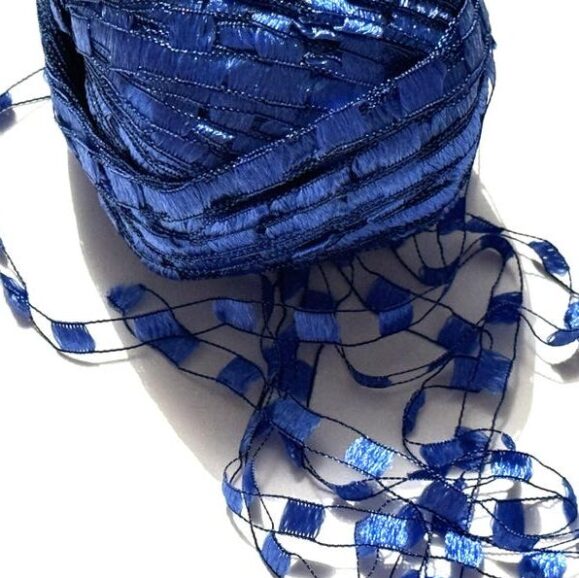
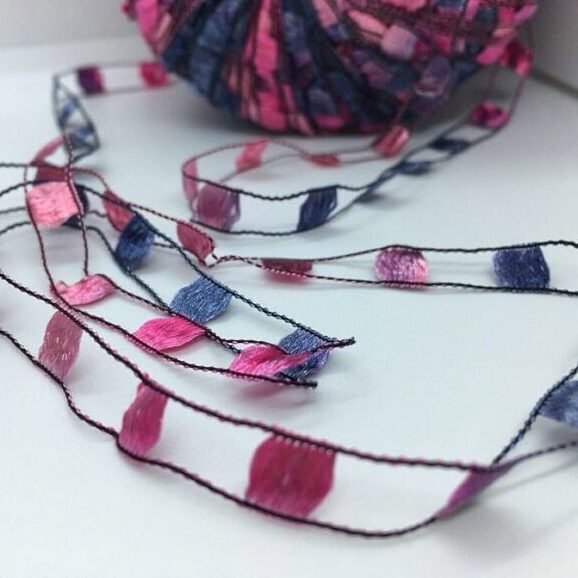
Ladder ribbon yarn — often referred to simply as ladder yarn — is a type of flat, decorative yarn constructed with a series of spaced “rungs” or openings along the length, giving it a ladder-like appearance. This structure creates a unique visual effect when knitted or woven, producing fabrics with high texture, openness, and dimensional play.
Depending on the manufacturing method, ladder ribbon can be constructed from various materials and in different widths. Its flat, semi-hollow design distinguishes it from traditional tape yarn or ribbon yarn, and makes it especially suited for fashion applications that require lightweight structure with visual depth.
How Ladder Ribbon Is Made
Ladder ribbon has two parallel edges with cross connectors that look like rungs. This is what makes it unique. This is done during the making of yarn by using special weaving or knitting methods where:
Two parallel tapes are formed.
Connecting fibers are introduced at intervals to create the ladder structure.
The final yarn is wound and prepared for downstream knitting or weaving.
Ladder ribbon can be manufactured with both natural and synthetic fibers, and its appearance (spacing, width, thickness, material) can be adjusted to meet design and performance needs.
Core Advantages of Ladder Ribbon
Ladder ribbon brings several notable benefits for textile designers and manufacturers:
1. Unique Visual Texture
Its inherent structure creates fabrics with eye-catching, geometric patterns. When knitted, ladder ribbon introduces an openwork effect that differentiates garments and accessories from conventional yarn constructions.
2. Light but well-structured
Ladder ribbon is flat and semi-open, which makes it feel light while still adding depth to a design. This makes it perfect for shawls, overlays, and statement accessories that need volume but not weight.
3. Breathability and Air Flow
The spacing between ladder rungs allows air to circulate more freely, which is particularly useful in designs for spring and summer wear.
4. Versatile Aesthetic
Ladder ribbon can be used on its own for bold textured effects, or combined with other yarns in knit or weave to create interesting composites and surface effects.
5. Easy Customization
Yarn producers can customize aspects such as ribbon width, fiber mix, ladder spacing, and color effects — offering brands flexibility to match specific design briefs.
Primary Uses of Ladder Ribbon
Ladder ribbon is celebrated for its versatility across different textile and fashion categories. Below are the major applications:
1. Fashion Apparel
Ladder ribbon is widely used in:
Lightweight tops: Creates breathable, textured surfaces
Overlay garments: Adds visual complexity without heavy structure
T-shirts and blouses: Introduces subtle patterning
Summer knits: Beneficial for air flow and comfort
Its open and textured nature makes ladder ribbon especially valuable in casual and contemporary fashion lines.
2. Shawls, Wraps, and Scarves
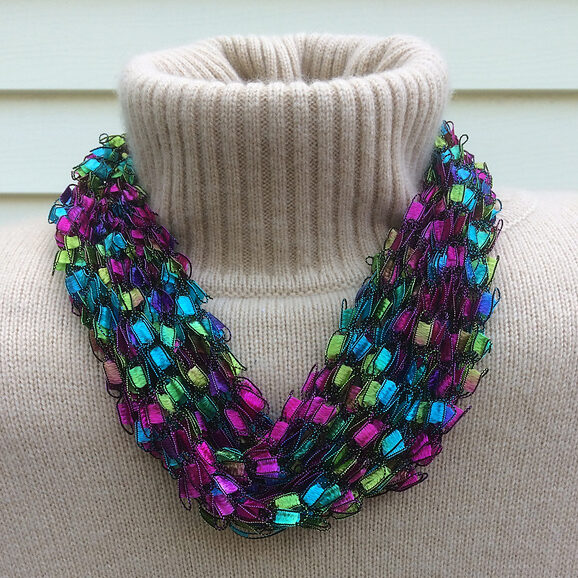
Ladder ribbon fabrics are great for scarves and other accessories that are meant to make an outfit look better without adding weight because they can be both textured and light. The ladder shape gives accessories a sculptural look.
3. Edging, Belts, and Trims
Ladder ribbon is a great way to add style to clothes, like belts, cuffs, pockets, seams, and dress edges. The decorative structure gives clothes a handmade look.
4. Textiles for home decor and crafts
Curtains and drapes:texture that lets light through
Decorative pillows and throws: Give your home’s fabrics more depth.
Craft projects: Great for artistic uses that need structure but not weight
Ladder ribbon is a good choice for high-end home textiles because it looks good and has a lot of texture.
5. Bags, Purses & Fashion Accessories
Because it is naturally flat and looks nice, ladder ribbon can be used for:
On handbag accents
As belts made of woven material
For straps that are light
In jewelry and accessories for costumes
When used with stronger yarns or trims, it helps make designs that are both useful and eye-catching.
Seasonal Relevance: Summer or Winter?
Because ladder ribbon is openwork and breathable, it goes well with spring and summer collections, especially when made with cotton or viscose fibers. However, when produced in heavier ribbon widths or blended with warmer fibers like wool/acrylic, it can also play a role in fall and transitional knitwear.
Season | Typical Use Cases | Fiber Preferences |
Spring & Summer | Lightweight tops, overlays, shawls, scarves | Cotton, viscose, polyester |
Transitional (Spring/Autumn) | Mix layered knitwear, mid-weight shading | Cotton/poly blends, viscose blends |
Winter (Limited) | Statement pieces, holiday accessories | Wool/acrylic ribbon blends, heavy-gauge constructions |
This seasonal flexibility is largely achieved through fiber choice and ribbon width, allowing brands to adapt ladder ribbon for different climates and style combinations.
Design & Development Tips
When working with ladder ribbon, brands and manufacturers should consider:
1. Yarn Count and Ribbon Width
Narrower ladder ribbons create finer textures, while wider ribbons produce bolder patterns. Choose based on garment weight and desired visual effect.
2. Machine Knit Settings
Ladder ribbon feeds differently than classic round or flat tapes. Adjust tension, feed speed, and needle type to prevent snags and maintain consistent loops.
3. Blending with Support Yarns
For stable fabrics, designers often combine ladder ribbon with traditional yarns in the same knit structure — achieving both texture and structural integrity.
4. Color and Dye Strategy
Ladder ribbon can be dyed in multicolor or space-dyed effects before production or post-knit. Choose approaches that enhance visual richness.
Commercial Value and Market Trends
Ladder ribbon fits into multiple market trends:
Textural aesthetics: Consumers gravitate toward fabrics with visual depth and handcrafted sensibility
Lightweight comfort: Openwork designs are popular for warm weather and athleisure wear
Customization demand: Brands seek unique materials that differentiate products
Sustainability lens: Blends with recycled or eco fibers add market appeal
For fashion brands and textile buyers, ladder ribbon provides both a design advantage and a commercial edge — allowing product differentiation without heavy embellishment or costly finishing.
Conclusion
Ladder ribbon is a textured yarn that can be used in a lot of different ways. It looks great and can be used in fashion, accessories, home decor, and crafts. Its unique structure makes fabrics that are light, breathable, and have a lot of depth. This makes it perfect for spring and summer collections, but it can also be used all year round when mixed with other fibers.
For textile brands, designers, and B2B yarn buyers, understanding the nuanced performance and applications of ladder ribbon helps in product innovation, range planning, and consumer engagement.
If you’re looking to incorporate distinctive textures into your next garment line or textile collection, ladder ribbon presents an exciting and commercially viable material choice — one that stands out in an increasingly texture-driven market.