What Are the Benefits of Plied Yarn? Textile Brands: Performance, Uses, and Buying Guide
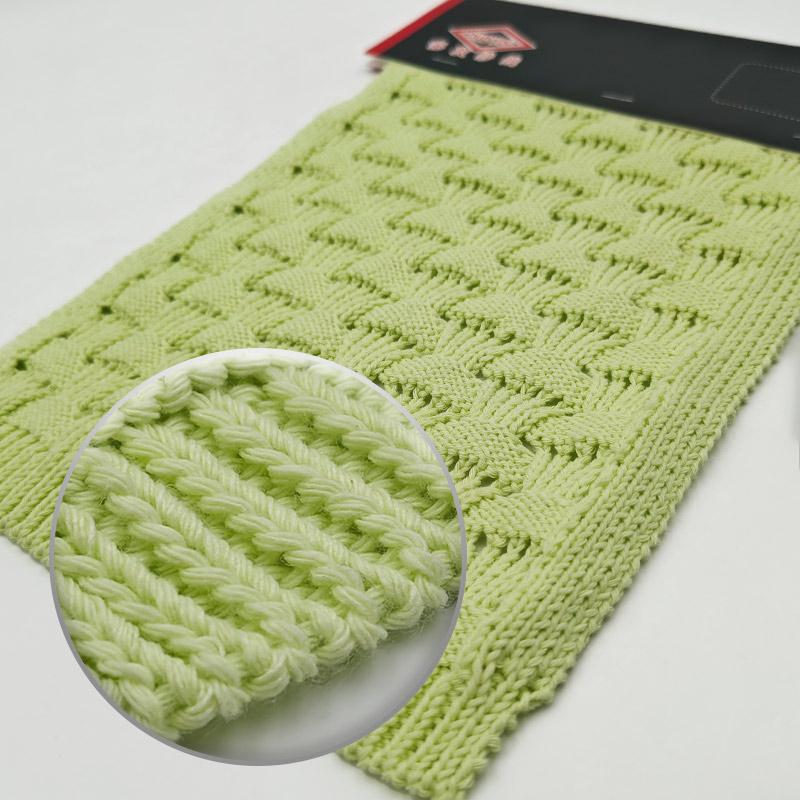
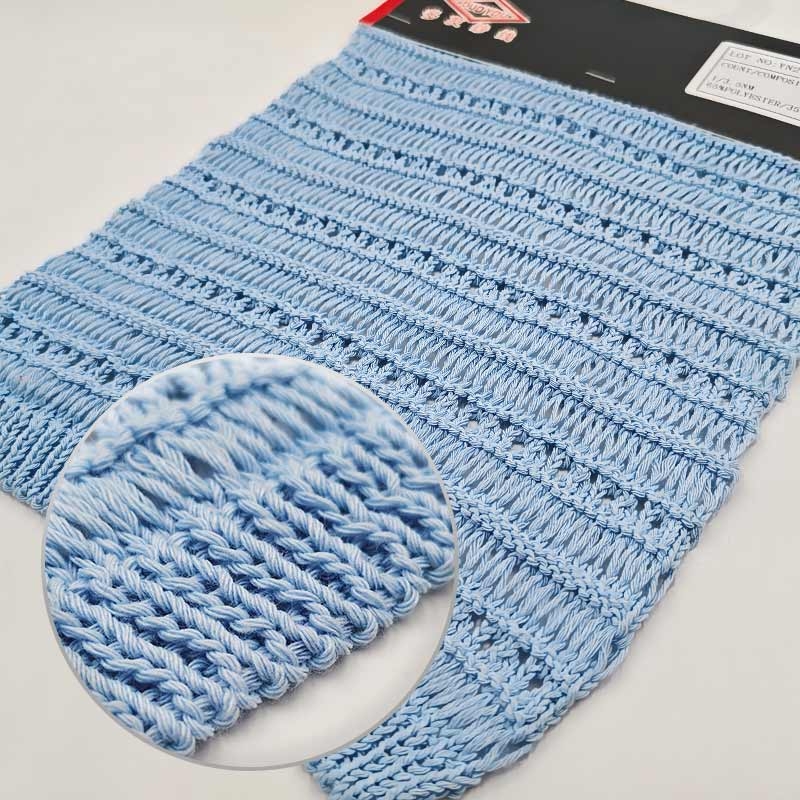
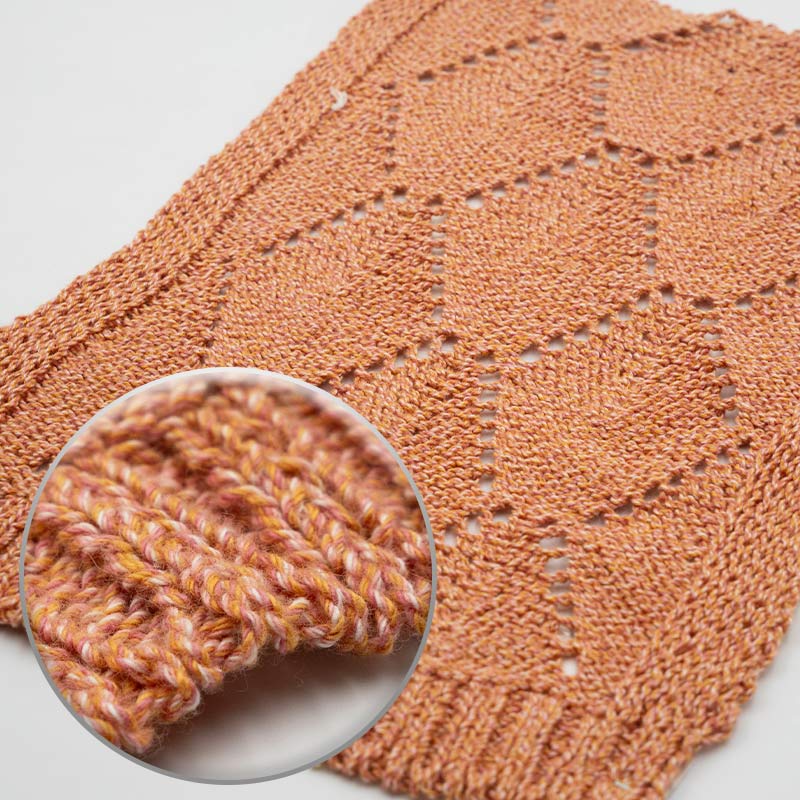
Every designer, buyer, and textile professional should know what “plied yarn” means in the world of yarn making. Plied yarns are made by twisting together two or more strands (plies) to make a product that is stronger, more balanced, and more useful than single-strand or loosely twisted yarns.
But what exactly makes plied yarn advantageous? Why do so many high quality garments, accessories, and performance fabrics rely on plied constructions? And how should brands, OEM manufacturers, and yarn buyers think about plied yarn when planning collections or sourcing materials?
This article explores the key advantages of plied yarn, the science behind its structure, its practical performance benefits, and how it influences product design, durability, and consumer experience.
What Is Plied Yarn? A Quick Overview
Before we talk about the specific benefits, it’s important to know why plied yarn is used so much in all kinds of textiles:
Better strength and long-lastingness
More stable and balanced twist
Better at knitting and weaving
Better look and feel in the hand
More flexible for mixed and complicated yarns
Plied yarn is a key part of many things, such as socks, sweaters, upholstery fabrics, and technical textiles.
Major Advantages of Plied Yarn
When you twist together multiple strands of plied yarn, you get the benefits of plied yarn. These interactions result in performance improvements that are challenging to attain with single-strand yarns.
1. Enhanced Strength and Durability
One of the most significant advantages of plied yarn is increased tensile strength. When multiple strands are twisted, they support each other under tension, reducing breakage under stress. This makes plied yarn ideal for products that undergo repeated flexing, abrasion, or heavy use, such as:
● Socks and stockings
● Knitwear and sweaters
● Outerwear
● Upholstery fabrics
● Workwear textiles
Stronger yarns also contribute to longer garment life, reducing the likelihood of holes, thinning, or seam failures over time.
2. Better Stability and Less Twist Imbalance
Single strand yarns can be prone to torque and imbalance due to uneven internal tensions, which can lead to:
● Twisting or curling in knitted fabric edges
● Distortion in weaving
● Difficulty in maintaining shape
Plied yarn helps with these problems. The plies’ opposite twists balance out the internal forces, making the yarn more stable and predictable when used in knitting and weaving machines. This stability makes the fabric surfaces smoother and the machines work better, which is a big plus for making textiles for businesses.
3. Better feel in the hand and drape of the fabric
Plied yarn makes fabrics that feel softer and more even to the touch. The strands are twisted together, which makes the yarn surface smoother and less likely to rub against the skin. This can make a big difference in how comfortable sweaters, scarves, and baby clothes are.
Also, plied constructions give designers better control over how the fabric drapes. Fabrics made with higher ply yarns can have a balanced structure that supports elegant folding and movement, benefiting fashion apparel and home textiles alike.
4. Reduced Pilling and Surface Defects
Pilling, the formation of small fiber balls on the fabric surface, is a common concern in many knit and woven products. Plied yarns help reduce pilling because the twisted structure keeps fibers more securely bound within the yarn core, making them less likely to break away and form pills during wear or washing.This is particularly beneficial for garments and accessories intended for frequent use.
5. Better Performance with Fiber Blends
Plied yarn is highly compatible with blended fiber constructions — for example, cotton/polyester, wool/nylon, or viscose/acrylic blends. Plies allow manufacturers to combine strands of different fiber types, each contributing unique properties:
● Natural fibers (like cotton or wool) provide comfort and breathability
● Synthetic fibers, such as polyester and nylon, are strong, stretchy, and keep their shape.
● Regenerated fibers, such as viscose, make the fabric drape better and shine more.
This compatibility makes plied yarn a key part of the development of modern blended yarn.
Plied Yarn vs. Single Strand Yarn — What’s the Difference?
Feature | Plied Yarn | Single Strand Yarn |
Strength | High | Lower |
Stability | Excellent | Prone to torque |
Hand Feel | Smoother | Can be rougher |
Pilling | Reduced | Higher |
Shape Retention | Strong | Moderate |
Blending Compatibility | Ideal | Limited |
This comparison highlights why plied yarns are often the first choice for performance and durability — especially in products undergoing heavy wear or requiring longevity.
Why Plied Yarn Matters in Yarn Selection
For textile brands and manufacturers, the decision to use plied yarn affects:
Product quality and durability
Machine productivity and knitting efficiency
Consistency of fabric hand and appearance
Brand reputation based on performance claims
Understanding the advantages of plied yarn enables development teams to make informed decisions when selecting yarns for specific product categories or performance requirements.
How to Choose the Right Plied Yarn for Your Product
When sourcing plied yarn, consider the following:
1. Fiber Type: Choose based on desired comfort, moisture management, warmth, and performance.
2. Ply Count: 2-ply for balanced everyday wear; 3-ply or more for heavy use and durability.
3. Twist Direction: S-twist and Z-twist can influence fabric surface and knitting behavior.
4. Blended Components: Combine natural and synthetic fibers to achieve optimal performance characteristics.
5. Yarn Count: Adjust count for desired fabric weight and drape.
Working with a yarn manufacturer that offers plied yarn customization ensures that the finished product aligns with both design intent and functional expectations.
Our Plied Yarn Solutions
As a professional yarn manufacturer and exporter, we offer a wide range of plied yarn options:
Cotton plied yarns for summer and casual wear
Wool-nylon plied yarns for socks and winter knitwear
Polyester blended plied yarns for active and performance wear
Custom blended plied yarns tailored to specific gauge, color, and performance needs
With flexible count, fiber blend, and twist configurations, we help brands achieve the performance and aesthetic they need for each collection.
Conclusion
Plied yarn offers a powerful combination of strength, balance, durability, and comfort — making it an essential material choice in modern textile and fashion production. Whether you’re developing knitwear, socks, home textiles, or specialty performance fabrics, understanding the advantages of plied yarn enables smarter material decisions and higher performing products.
By selecting the right plied yarn structure and blend, textile professionals can deliver products that stand out in both quality and longevity — meeting the demands of today’s discerning consumers.