
What Is a Wool Blend Yarn? Types, Benefits & Applications Explained
Wool blend yarn is now one of the most popular materials in the fashion, knitwear, and home textiles industries. People have always liked pure wool because it keeps them warm and works well on its own. But these days, product development is leaning more toward blends that mix wool with other fibers to get a better balance of cost, durability, and usefulness.
But what is a yarn made of wool and other fibers? What makes it different from 100% wool? And why are so many companies choosing wool blends over pure wool for their products?
This article will go over the definition, structure, types, benefits, and real-world uses of wool blend yarn. This will help textile brands and yarn buyers make smart choices about where to get their yarn.
What is a yarn made of wool and other yarns?
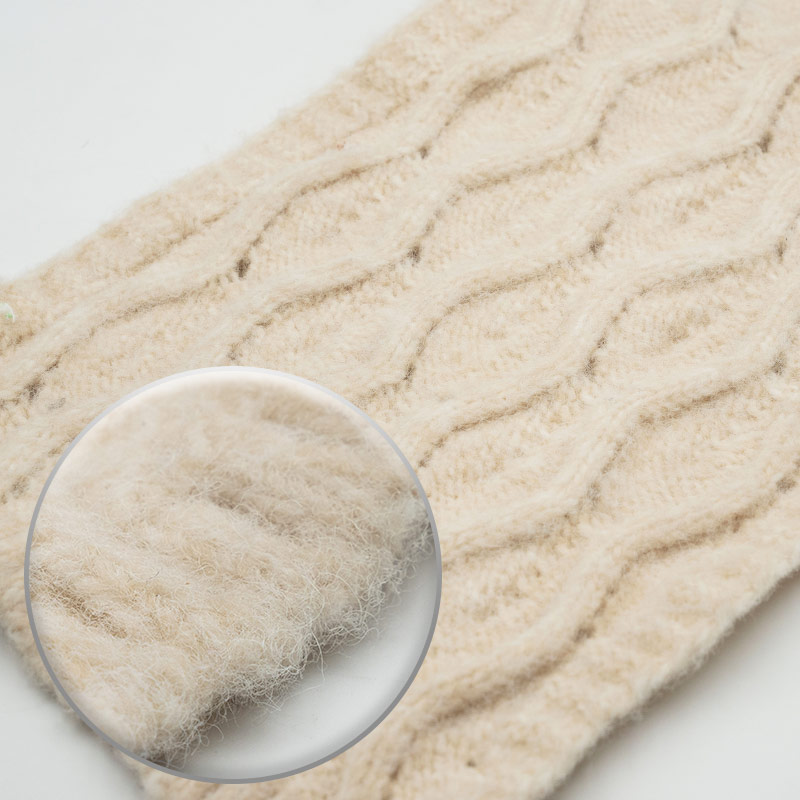
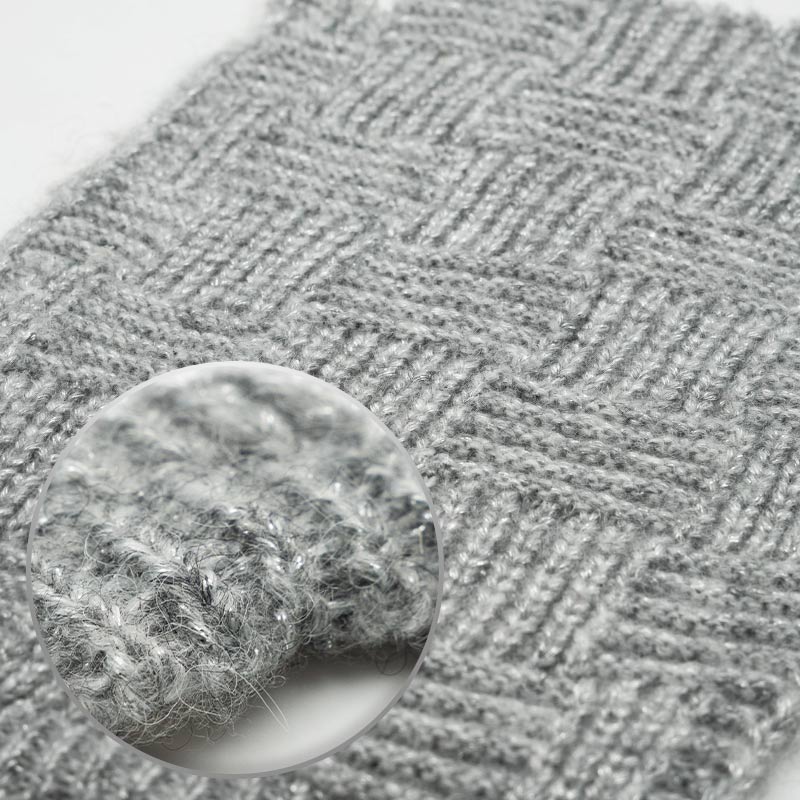
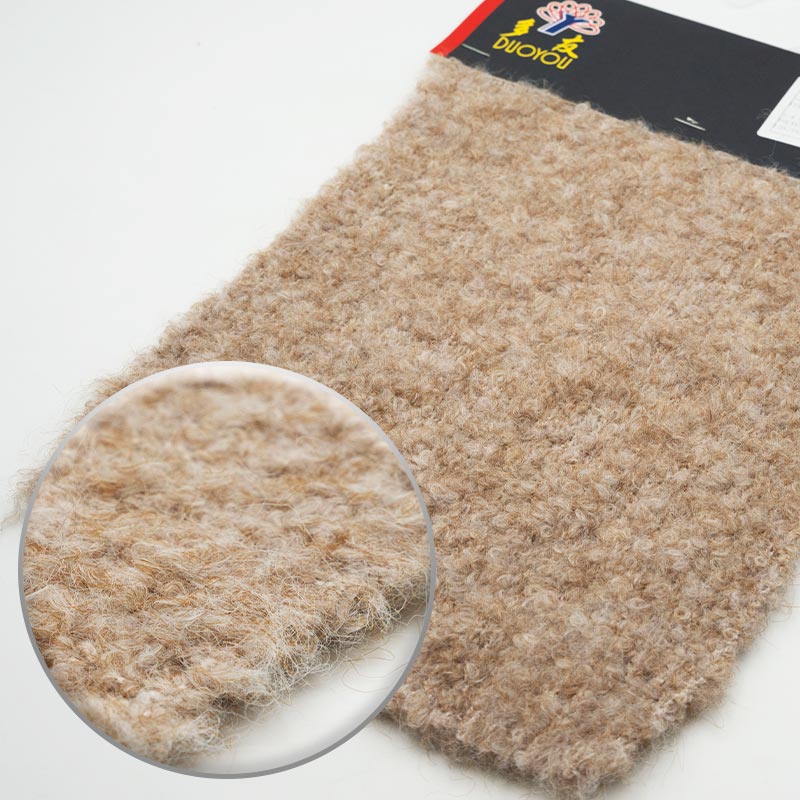
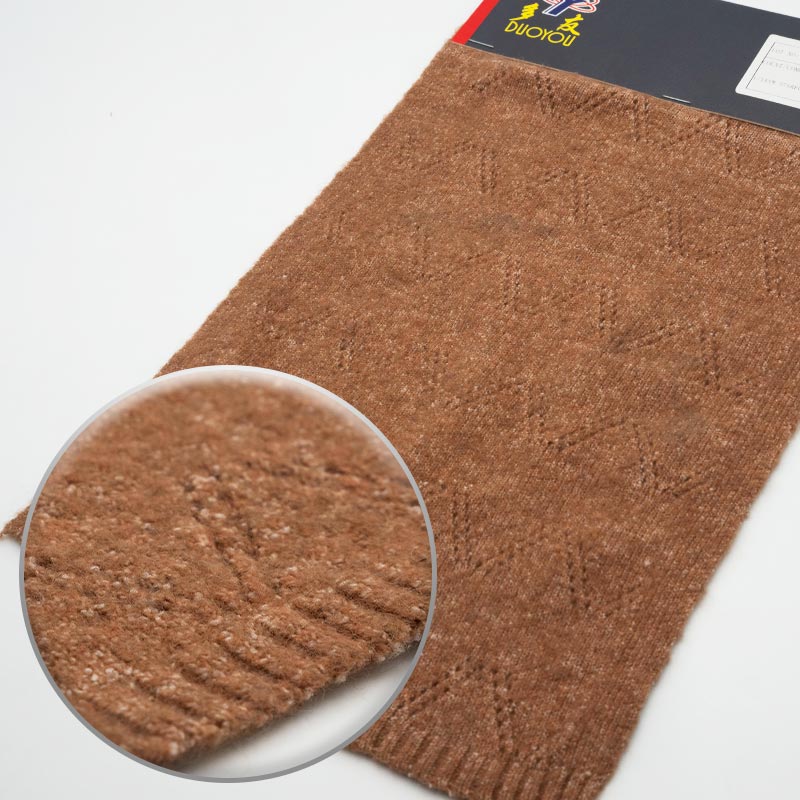
A wool blend yarn is a type of yarn that is made by mixing wool fibers with other natural or synthetic fibers, like cotton, polyester, acrylic, nylon, silk, or viscose.
Depending on how it will be used and what performance standards it needs to meet, the wool content in the blend can range from 20% to 80% or more.
Wool blends are made to balance performance, cost, and usability by using the best features of different types of fibers. Pure wool yarn, on the other hand, is made entirely of animal fibers.
Why Wool Is Mixed with Other yarns
Some of the best natural properties of pure wool are:
- Thermal insulation
- Moisture absorption
- Elasticity
- Breathability
But it also has some problems:
- Higher cost
- Shrinkage risk
- Special care requirements
- Moderate durability under abrasion
Mixing wool with other fibers can help get around these problems. The goal is not to get rid of wool, but to make it more useful for modern textiles.
Types of Wool Blend Yarn That Are Common
Different combinations of fibers give different performance profiles. Here is a list of the most common wool blends:
Blend Type | Key Characteristics | Typical Applications |
Wool + Polyester | Durable, wrinkle-resistant, cost-effective | Sweaters, uniforms, outerwear |
Wool + Acrylic | Lightweight, warm, affordable | Knitwear, scarves, budget garments |
Wool + Nylon | High strength, abrasion-resistant | Socks, hosiery, activewear |
Wool + Cotton | Soft, breathable, less itchy | Spring knitwear, casual wear |
Wool + Silk | Smooth, luxurious, lightweight | Premium garments, scarves |
Wool + Viscose | Drapey, soft, enhanced appearance | Fashion knitwear, dresses |
Each blend is engineered to meet specific performance and pricing targets in the textile supply chain.
Key Advantages of Wool Blend Yarn
1. Improved Durability
One of the best things about wool blends is that they last longer. Adding fibers like polyester or nylon makes products much more resistant to wear and tear, which makes them last longer.
This is especially important for:
- Socks
- Workwear
- Upholstery
- Everyday knitwear
2. Costs Less than Pure wool
Pure wool, especially high-quality types like cashmere or merino, can be very expensive. By adding cheaper fibers to wool blends, they lower the cost of materials while still keeping the feel and performance of wool.
For brands, this enables:
- Competitive pricing
- Broader product ranges
- Higher scalability
3. Easier to care for and keep up with
In general, wool blends are easier to take care of than pure wool. They:
- Shrink less during washing
- Wrinkle less
- Can often be machine washable
This makes them more suitable for mass-market and everyday apparel.
4. Improved functional performance
Manufacturers can add more performance features through blending, such as:
- Stretch (via elastane or synthetic fibers)
- Faster drying
- Improved shape retention
- Reduced pilling
For instance, wool-polyester blends are lighter and dry faster, which makes them good for outdoor or activewear.
5. Greater Design Flexibility
Wool blend yarn gives designers more control over:
- Texture
- Weight
- Appearance
- Drape
Brands can make products that are perfect for certain seasons, price ranges, and target markets by using different combinations of fibers.
Wool Blend vs. Pure Wool Yarn
Understanding the difference is critical for product positioning:
Feature | Wool Blend Yarn | 100% Wool Yarn |
Cost | Lower | Higher |
Durability | Higher (with synthetics) | Moderate |
Warmth | Good (depends on ratio) | Excellent |
Care | Easy | Requires care |
Shape Retention | Better | Can deform |
Luxury Feel | Medium–High | High |
In general:
- Pure wool = premium, natural performance
- Wool blend = balanced, practical performance
Applications of Wool Blend Yarn
Wool blend yarn is used across a wide range of industries:
1. Knitwear & Apparel
- Sweaters
- Cardigans
- T-shirts
- Coats
Blends provide the right balance between comfort and durability.
2. Socks & Hosiery
Wool-nylon blends are common in socks because they can handle friction and stay warm.
3. Clothes for the outdoors and for working out
Wool blends are used a lot in:
- Base layers
- Sportswear
- Hiking garments
They keep moisture out while also being strong and drying quickly.
4. Home Textiles
- Blankets
- Upholstery fabrics
- Decorative textiles
Blends make things last longer and easier to care for.
How to Choose the Right Wool Blend Yarn
Textile buyers and brands should choose based on:
1. Ratio of wool to other materials
More wool means more warmth and a more natural feel.
Less wool means more durability and a lower price.
2. End Use
- Apparel → softness and comfort
- Socks → durability
- Home textiles → stability and lifespan
3. Fiber Combination
Choose blends based on performance goals:
- Nylon → strength
- Polyester → durability & wrinkle resistance
- Cotton → breathability
- Acrylic → cost efficiency
4. Yarn Construction
The number of plies, the twist level, and the count will also affect how well the fabric works and how it behaves.
Our Wool Blend Yarn Solutions
As an experienced fancy yarn manufacturer, we provide:
- Custom wool blend yarn development
- Flexible blend ratios (20%–80% wool or higher)
- Multiple fiber options (polyester, acrylic, nylon, viscose, etc.)
- Fast sampling and scalable production
We help brands make yarns that meet their specific needs for performance, design, and cost.
Conclusion
Wool blend yarn is a practical evolution of traditional wool. It combines the natural warmth and softness of wool with modern improvements like durability, low cost, and easy care.
Textile brands and manufacturers need to know about wool blends in order to make products that are competitive and meet the needs of today’s market. Wool blend yarn is a flexible and commercially useful option for clothing, performance wear, and home textiles.