
What Are the Advantages and Disadvantages of Blended Yarn? Insights for Textile Brands & Manufacturers
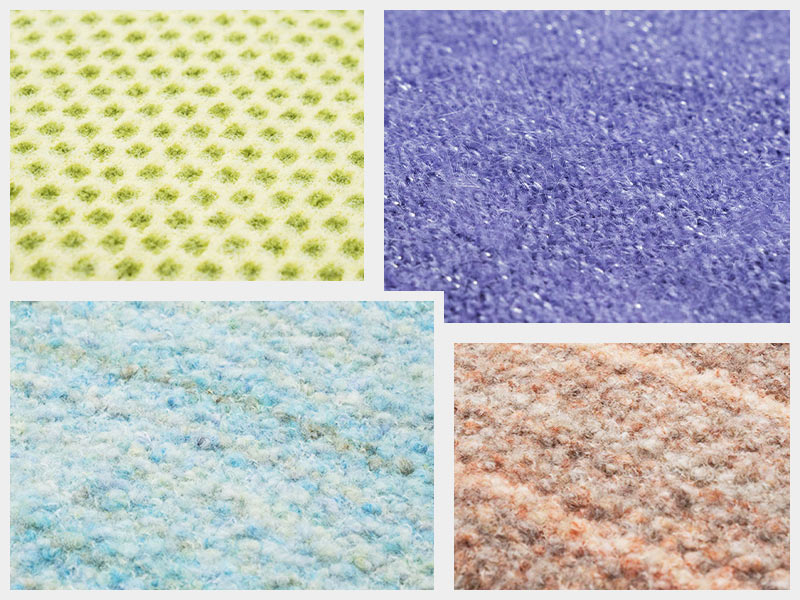
Blended yarns are very important in the modern textile industry because they let you combine the best parts of different fibers while getting rid of their worst parts. When you spin two or more types of fiber together, like cotton with polyester, wool with nylon, or cotton with spandex, you get a blended yarn. This type of yarn has properties that aren’t found in single-fiber yarns.
Metallic Mink Yarn for Women’s Luxury Knitwear
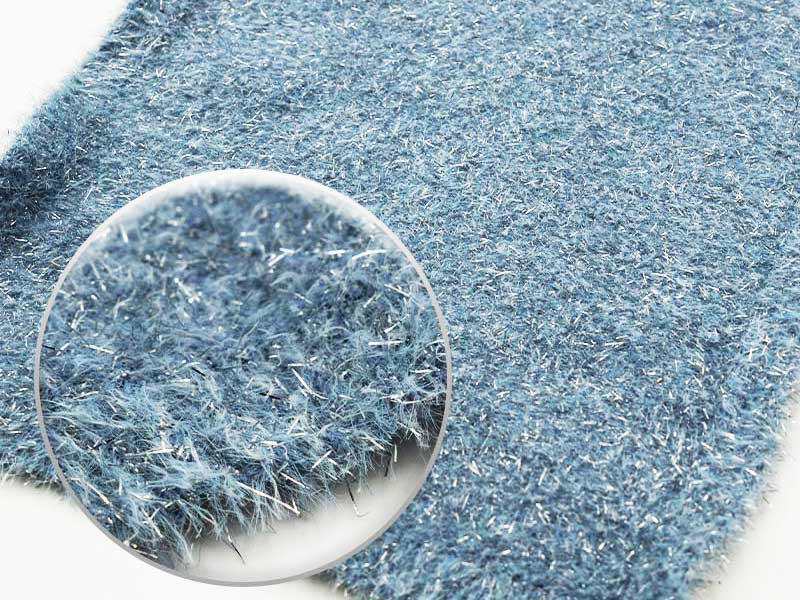
If you are producing women’s short luxury knit tops, you already know one hard truth: yarn selection directly decides your knitting efficiency, fabric appearance, and final profit. In recent years, buyers and brands have been asking for more refined surface effects—soft hand feel, rich volume, and controlled shine—while factories are under pressure to keep defect rates low and machines running smoothly.
Chenille Yarn Dyeing & Color Fastness Control: Key to B2B Knitting Mills’ Cost Reduction & Efficiency
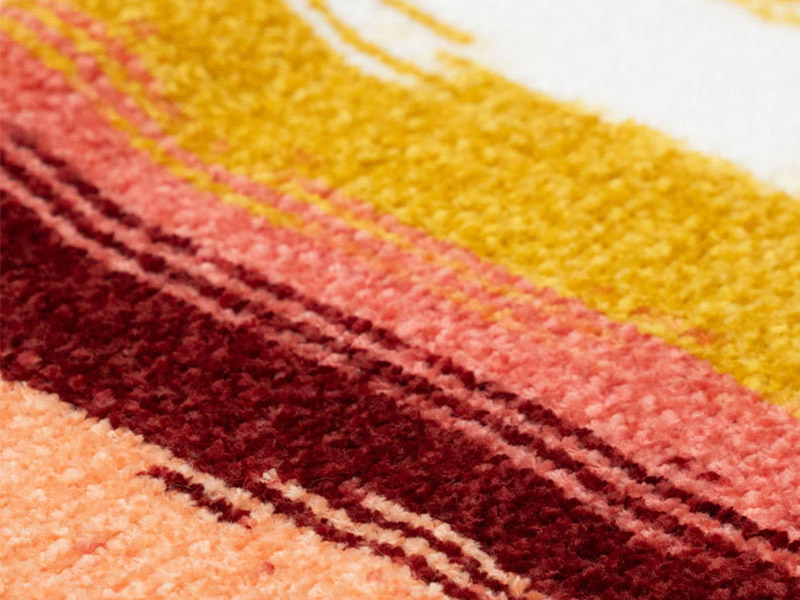
In knitting production, dyeing consistency and color fastness of chenille yarn largely determine downstream efficiency and cost control. For blended chenille yarns such as 76P/24N, shade variation and dyeing instability can quickly lead to lower yields and increased rework. This article highlights key dyeing and color fastness controls and their role in improving production efficiency and cost performance for B2B knitting mills.
What Is Slub Yarn and Why You Should Wear It?Texture, Comfort & Commercial Value Explained for Fashion and Textile Brands
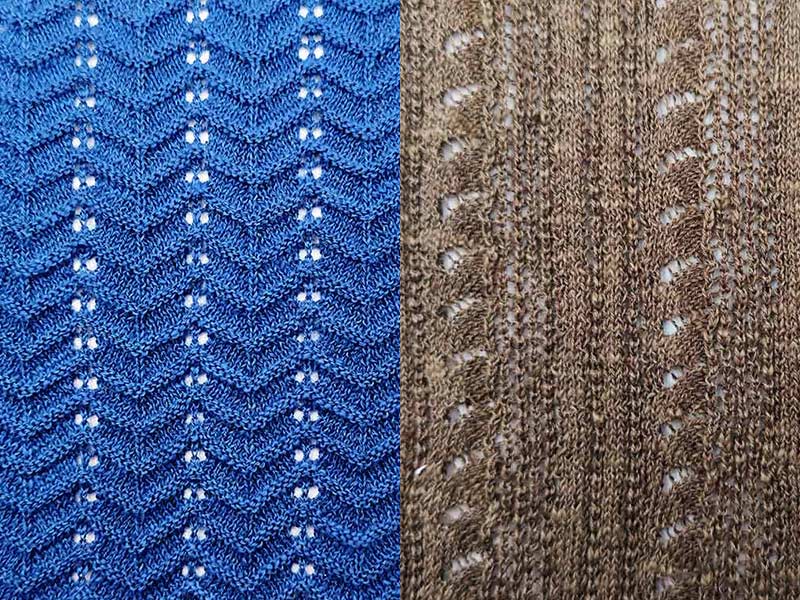
Slub yarn is a textured yarn characterized by intentional thickness variations, offering a natural look, tactile comfort, and strong commercial appeal. This article explains what slub yarn is, how it is made, and its key benefits, while exploring why it remains a popular and valuable choice for fashion and textile brands in today’s market.
What are The Best Yarns for Making Socks? A Full Guide to Comfort, Durability, and Performance

Socks may seem like simple clothes, but picking the right yarn for them is a surprisingly complicated task. Socks have to be able to handle constant rubbing, repeated washing, moisture, temperature changes, and long hours of wear, all while being comfortable against the skin. That’s why it’s important for brands, manufacturers, and designers to choose the right sock yarn.
Microfiber Yarn: A Comparison of 100% Polyester and Polyester/Nylon (P/N)

When buyers look at microfiber yarn (also called microfiber yarn in many knitting mills), one question always comes up very early in the discussion. “Should we go with 100% polyester, or is a polyester/nylon blend better for our program?”
Is It Okay to Use Acrylic Yarn for Beanies? Yarn Insights on Benefits, Performance, and Wholesale

Chenille yarn is one of the most luxurious and high-demand yarns used across apparel, home textiles, and craft markets. Chenille yarn has a thick pile surface, a soft hand feel, and a velvety look. It has been a favorite of brands and manufacturers looking for comfortable products with high-end looks.
A Comparison of Fur Yarn and Cat Hair Yarn for Different Uses

Chenille yarn is one of the most luxurious and high-demand yarns used across apparel, home textiles, and craft markets. Chenille yarn has a thick pile surface, a soft hand feel, and a velvety look. It has been a favorite of brands and manufacturers looking for comfortable products with high-end looks.
What Is Chenille Yarn Best For? A Complete Guide for Apparel, Home Textiles & Craft Buyers

Chenille yarn is one of the most luxurious and high-demand yarns used across apparel, home textiles, and craft markets. Chenille yarn has a thick pile surface, a soft hand feel, and a velvety look. It has been a favorite of brands and manufacturers looking for comfortable products with high-end looks.
Feather Yarn vs. Mink Yarn: Comprehensive Guide to Sourcing Yarn for the Production of Sweaters

Feather yarn and Mink yarn have emerged as two of the most sought-after fancy yarns for fall and winter collections in the international knitwear supply chain of the present day.