
Best Yarn for Winter Sweaters: Warm, Durable & Commercially Viable Choices
Winter sweaters are one of the most important product categories in knitwear collections. Unlike transitional garments, winter sweaters must deliver strong insulation, long-term durability, and consistent comfort under cold conditions. For yarn buyers, brands, and manufacturers, selecting the right yarn is not only a design decision—it directly impacts product performance, pricing, and customer satisfaction.
So, which yarn is best for winter sweaters? The answer is not limited to a single fiber. Instead, it depends on how well a yarn balances warmth, breathability, elasticity, and cost efficiency.
In this article, we will analyze the most suitable yarn types for winter sweaters, compare their properties, and provide practical guidance for commercial yarn selection.
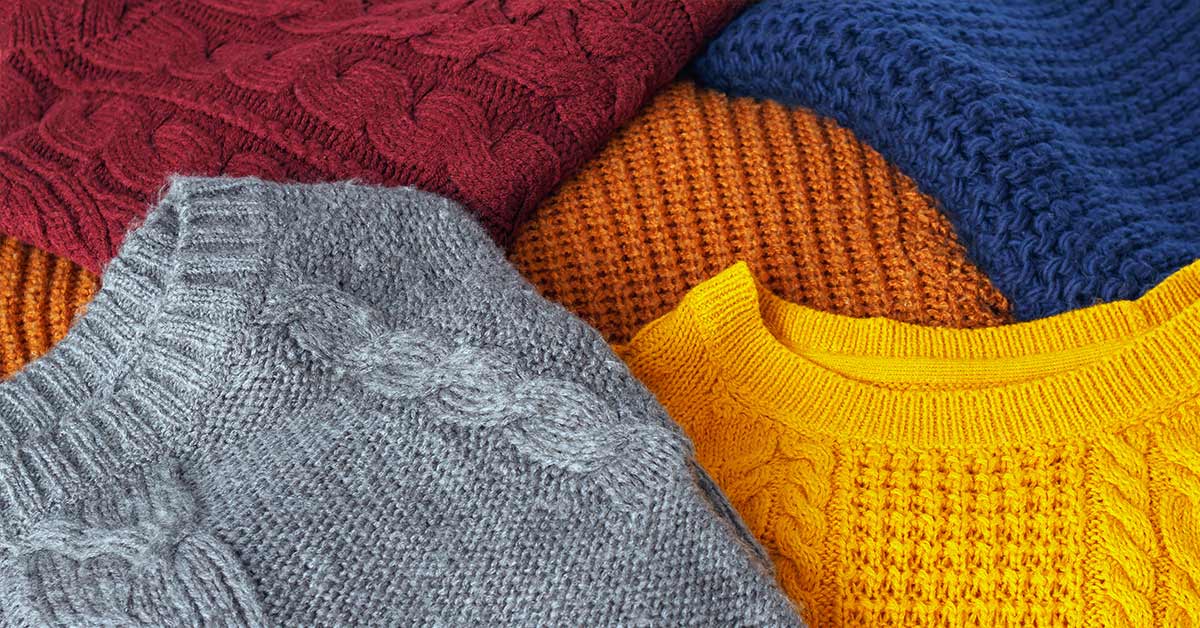
What Kind of Yarn Is Good for Winter Sweaters?
Before you compare materials, you need to know what the most important performance needs are for winter knitwear.
The main need is thermal insulation.
A winter sweater has to keep body heat in well. Fibers that can trap air, like wool, make better insulation because air pockets act as natural barriers against cold temperatures.
Breathability makes sure you stay comfortable for a long time.
Just being warm isn’t enough. A good sweater yarn should also let moisture escape so that you don’t feel damp or clammy while wearing it. Natural fibers usually do a better job in this area than synthetic fibers.
Elasticity keeps clothes from losing their shape.
When you wear them, sweaters can stretch. Yarns with natural elasticity can go back to their original shape, which keeps them from sagging and makes them last longer.
Durability makes it possible to use it over and over again.
People often wear winter clothes a lot. A good yarn should not get fuzzy, worn down, or change shape over time.
The best types of yarn for winter sweaters
Some types of yarn stand out because of how they are used in the industry and how well they work.
1. Wool Yarn: The Benchmark for Warmth
Wool is widely considered the best fiber for winter sweaters due to its natural insulating properties.
Wool fibers trap air within their structure, creating excellent heat retention while still allowing moisture to escape. This makes wool both warm and breathable, which is essential for cold-weather comfort .
In addition, wool has natural elasticity, allowing sweaters to stretch and recover without losing shape. This makes it particularly suitable for fitted garments and long-term wear.
However, wool can be more expensive and may require careful washing. Some types may also feel slightly itchy, depending on fiber quality.
2. Merino Wool: Softness Meets Performance
Merino wool is a premium version of wool known for its finer fibers and enhanced comfort.
It offers the same warmth as traditional wool but with a much softer hand feel, making it suitable for garments worn directly against the skin. It also provides excellent elasticity and temperature regulation .
For brands targeting mid-to-high-end markets, merino wool is often the preferred choice for winter sweaters.
3. Acrylic Yarn: Cost-Effective and Easy Care
Acrylic yarn is a synthetic alternative that is widely used in commercial knitwear.
It provides decent warmth by trapping heat and is lightweight, durable, and easy to maintain. Unlike wool, acrylic is machine washable and resistant to shrinking or pests .
However, acrylic is less breathable and does not regulate temperature as effectively as natural fibers. In very cold or active conditions, it may feel less comfortable.
For mass-market products, acrylic remains a practical and economical option.
4. Wool Blends: Balanced Performance for Commercial Use
Blended yarns combine the strengths of different fibers, making them one of the most practical choices for winter sweaters.
For example, wool blended with acrylic improves durability and reduces cost, while still maintaining good warmth. Adding nylon can further enhance strength and elasticity .
Blends also help reduce itchiness and improve ease of care, making them suitable for a wide range of consumers.
From a B2B perspective, wool blends are often the most commercially viable solution.
5. Alpaca and Specialty Fibers: Premium Warmth
Alpaca yarn is known for its exceptional warmth and softness.
Its fibers have a hollow structure, which enhances insulation and makes it even warmer than standard wool in some cases. It also has a smooth texture, making it comfortable for sensitive skin .
Because of its higher cost and lower elasticity, alpaca is often used in blends rather than as a standalone fiber.
Comparison of Common Winter Sweater Yarns
Yarn Type | Warmth | Breathability | Elasticity | Cost Level | Best Application |
Wool | Very high | High | High | Medium–High | Cold-weather sweaters |
Merino Wool | Very high | Very high | High | High | Premium knitwear |
Acrylic | Medium–High | Low | Medium | Low | Mass-market products |
Wool Blends | High | Medium–High | High | Medium | Commercial collections |
Alpaca Blends | Very high | Medium | Medium | High | Luxury winter wear |
Yarn Structure and Weight Considerations
The type of fiber alone does not determine how well something works. The way the yarn is made is also very important.
Heavier yarn weights provide more insulation
Thicker and chunkier yarns hold more air, which makes them warmer. But they need to be balanced with comfort so they don’t get too heavy.
Plied yarn improves durability and stability
Multi-ply yarns are stronger and last longer, so they are great for sweaters that will be worn a lot.
Blended constructions enhance functionality
Manufacturers can get the best performance and the lowest cost by combining fibers into a single yarn structure.
Common Mistakes When Choosing Winter Sweater Yarn
Using non-insulating fibers
Fibers like cotton can’t hold heat, so they aren’t good for sweaters in the winter.
Ignoring breathability
A yarn that keeps heat in but lets moisture out can be uncomfortable, especially if you wear it for a long time.
Overlooking durability
Soft yarns may feel good at first, but they can wear out quickly if they aren’t properly reinforced.
How to Choose the Right Yarn for Your Market
When choosing yarn for B2B buyers, it should match the product’s position and the people it is meant to reach.
Mass market products prioritize cost and durability
Acrylic and acrylic blends are good for making things on a large scale at a low cost.
Mid-range products focus on balance
Wool blends are a good choice because they are warm, comfortable, and cheap.
Premium collections emphasize performance and feel
Merino wool and alpaca blends deliver superior softness and thermal performance, making them ideal for high-end markets.
Our Winter Sweater Yarn Solutions
As a professional fancy yarn manufacturer, we provide customized yarn options tailored for winter knitwear:
- Wool and merino-based yarns for premium warmth
- Acrylic and blended yarns for cost-effective production
- Alpaca and specialty blends for high-end collections
- Custom counts, textures, and structures for different markets
Our flexible production capabilities allow brands to develop yarns that meet both performance requirements and commercial goals.
Conclusion
The best yarn for winter sweaters is not defined by a single material, but by how well it balances warmth, breathability, durability, and cost.
Wool remains the benchmark for insulation, while acrylic offers affordability and ease of care. Blended yarns bridge the gap, providing a practical solution for most commercial applications.
For brands and manufacturers, the key to success lies in selecting the right combination of fiber and structure to meet both functional needs and market expectations.