Chenille Yarn Dyeing & Color Fastness Control: Key to B2B Knitting Mills' Cost Reduction & Efficiency
In the global knitting industry, improving production yield is a topic that never goes out of date. Whether you are a sweater factory running multiple flat knitting machines, a buying house coordinating yarn sourcing for different brands, or a brand-side product developer, one reality is very clear: yarn quality and yarn processing stability directly decide how smooth your knitting production will be.
Many knitting problems are already “locked in” before the yarn even arrives at the factory. Among all fancy yarn categories, chenille yarn is one of the most sensitive types when it comes to dyeing quality and color fastness, especially for blended constructions like 76P/24N chenille yarn.Duoyou Yarn has supported many customers who faced similar headaches: unstable knitting efficiency, high fabric rejection rates, and repeated shade issues that slowed down bulk production.
Understanding Chenille Yarn: Structure, Characteristics, and Knitting Behavior
Before you start optimizing your dyeing, you need to know exactly what chenille yarn is and why it acts so differently from regular spun yarns or filament yarns.
What Is Chenille Yarn?
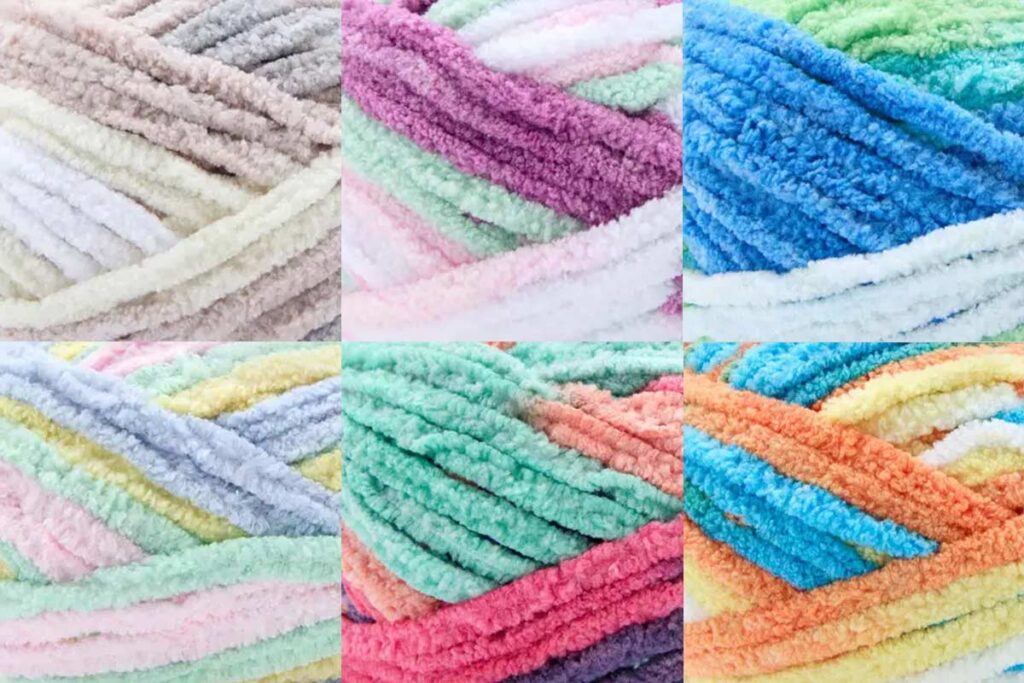
Chenille yarn is a kind of fancy yarn that has short fibers retained between two core yarns and cut to make a soft, velvety pile surface. The French word for “caterpillar,” which means “chenille,” is where the name derives from. It fits the fuzzy look well.
Compared with traditional yarns, chenille yarn has:
- A three-dimensional pile structure
- High bulk and softness
- Strong visual texture
- High sensitivity to mechanical and chemical processing
Because of this structure, chenille yarn is widely used in knitted sweaters, cardigans, and home textile fabrics where hand feel and appearance are critical.
Why Chenille Yarn Is Challenging in Production
The same features that make chenille yarn attractive also make it challenging:
- The pile can loosen or fall off if tension is not well controlled
- Dye penetration is more complex due to dense pile
- Uneven dyeing easily shows as streaks on knitted fabric
- Poor color fixation leads to rubbing and washing problems
Chenille yarn is often used in knitted sweaters, cardigans, and home textiles where the feel and look of the fabric are very important because of this structure.
Understanding 76P/24N Chenille Yarn (2.8NM/1)
Before talking about dyeing, let’s quickly align on what this yarn structure actually looks like.
Basic Yarn Construction
Item | Specification |
Yarn Type | Chenille Yarn |
Count | 2.8NM/1 |
Composition | 76% Polyester / 24% Nylon |
Application | Sweaters, cardigans, home textiles |
Knitting Type | Flat knitting / Circular knitting |
This blended structure is popular because:
- Polyester gives bulk, softness, and cost control
- Nylon improves strength, abrasion resistance, and knitting stability
However, this same structure also makes dyeing more complex, especially when customers demand stable shade, clean surface, and reliable fastness.
Why Dyeing Is the Key Bottleneck for Knitting Yield
Many buyers assume that once yarn strength and count are stable, knitting yield should be fine. In reality, dyeing quality directly affects knitting efficiency in the following ways:
1. Surface Hair Stability
Chenille yarn relies on controlled pile structure. Improper dyeing tension or chemical imbalance can cause:
- Pile loosening
- Excessive hair shedding
- Hair wrapping on knitting needles
This leads to frequent machine stops and higher fabric defect rates.
2. Shade Consistency Between Cones
For bulk sweater production, even small shade deviations between cones can cause:
- Visible panel differences
- Re-knitting or fabric rejection
- Customer complaints and delays
3. Color Fastness and Post-Finishing Risks
Low fastness is not just a testing problem. It creates real production risks:
- Color bleeding during garment washing
- Shade change after brushing or raising
- Rubbing issues during cutting and sewing
All of these increase hidden production loss.
Color Fastness Control: What Actually Matters for Knitting Mills
Color fastness is often discussed in test reports, but knitting factories care about real usage performance.
Typical Fastness Requirements We Handle
Test Item | Common Requirement |
Washing Fastness | Grade 4–4.5 |
Rubbing Fastness (Dry) | Grade 4 |
Rubbing Fastness (Wet) | Grade 3.5–4 |
Color Migration | Pass |
To meet these targets, fixation alone is not enough.
Post-Dye Fixation and Washing Control
After dyeing:
- Excess dye is fully removed
- Fixation agents are applied evenly
- Neutralization is carefully controlled
This reduces floating color and improves real-life performance during knitting and garment washing.
How Better Dyeing Improves Knitting Yield Directly
Many customers ask us: “Can better dyeing really increase knitting yield?”
The answer is simple: yes, and quite clearly.
Yield Improvement Points
Area | Before Optimization | After Optimization |
Machine stops | Frequent | Reduced |
Needle contamination | High | Low |
Fabric defects | Visible | Controlled |
Rework rate | High | Lower |
When yarn runs cleaner, smoother, and more stable, knitting efficiency naturally improves.
Why B2B Customers Choose Duoyou for Chenille Yarn
Duoyou Yarn has been focusing on fancy yarn manufacturing for many years. Chenille yarn is not a side product for us – it is one of our core knitting yarn categories.
Our Practical Advantages
- Stable chenille yarn constructions
- In-house process control from spinning to dyeing
- Experience with different knitting machines
- Flexible support for sampling and bulk
We don’t just sell yarn. We help customers reduce risk before bulk production.
Typical Application Scenarios
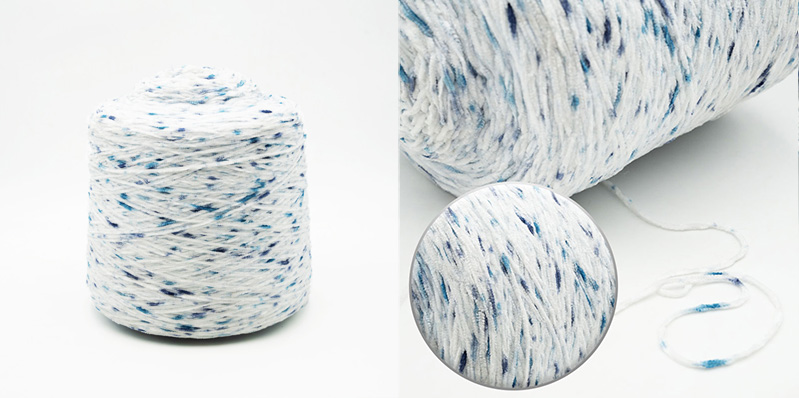
Our 76P/24N 2.8NM/1 chenille yarn is widely used for:
- Knit sweaters
- Cardigans
- Home textile fabrics
- Decorative knit panels
Different applications mean different performance focus, and we adjust dyeing and finishing accordingly.
Sampling and Bulk Support for B2B Projects
We understand that every project is different. That’s why we support:
- Lab dips for shade confirmation
- Knitting trial yarns
- Dyeing adjustment based on fabric feedback
Early communication saves cost and time.
Conclusion
When knitting production faces problems such as low efficiency, frequent machine stops, or high fabric rejection rates, the first reaction is often to adjust machines or operators. However, for chenille yarn projects, especially 76P/24N Chenille Yarn (2.8NM/1), the root cause is very often hidden in the dyeing and finishing stage.
At Duoyou Yarn, we believe yarn is not just a raw material, but a key part of the customer’s production system. By optimizing dyeing processes and focusing on real knitting performance rather than test numbers alone, we help B2B customers run smoother production with fewer surprises.If you are sourcing 76P/24N chenille yarn for knitted garments or home textile projects and want to improve production yield from the yarn stage, our team is always ready to discuss your requirements and support your project from sampling to bulk production.