
Cotton Wool Blend Yarn for Knitting & Weaving: Uses, Benefits & Supplier Tips
When choosing clothing, we naturally start with the style—does it catch our eye? Next, we feel the fabric, appreciating its texture and softness. Finally, we consider the price and fabric composition, ensuring it meets both our taste and quality standards.
But here’s the question: even though the label shows the fabric composition, do we really understand it? And does the garment truly live up to its price? Understanding fabric composition is key—not just for quality, but for making choices that are worth every penny.
Most Common Fabric Compositions
Before that, let’s get to know some common fabrics: Polyester, Acrylic, Nylon, Cotton, Wool, and Cashmere. The first three—Polyester, Acrylic, and Nylon—are synthetic fibers, derived from petroleum and considered industrial products. The latter three—Cotton, Wool, and Cashmere—are natural fibers, obtained from plants and animals.
In terms of basic cost, Polyester < Acrylic < Nylon < Cotton < Wool < Cashmere. However, this order is not absolute, as prices can vary depending on quality, brand, and processing. Many people fall into the misconception of judging only by labels—believing cotton must always feel better than polyester, and assuming that brands using polyester are cutting corners or overpricing their products.
The truth is, a clothing label only lists the raw materials. Raw fibers need further processing before they become wearable fabrics. Cotton must go through combing and spinning, while synthetic fibers require specialized machinery to be transformed into yarns or fabrics. In addition, synthetic fabrics often undergo pre-shrinking, shaping, dyeing, finishing, and the addition of functional auxiliaries. These treatments can completely transform the original fiber—dramatically improving its texture, functionality, and even its market value.
Even with polyester, not all fabrics are created equal. A high-gauge fabric feels refined and silky to the touch, while a low-gauge version can feel rougher and less elegant. That’s why the price gap between them can be worlds apart—the finer the gauge, the more premium the experience.
Polyester can also be more expensive under certain conditions: fabrics with special treatments such as water-repellent, windproof, abrasion-resistant, or anti-static finishes, or made from specialty fibers like silk-like polyester, can significantly increase in value. These enhancements give synthetic fabrics unique textures, improved functionality, and a more luxurious feel.
Moreover, tailoring and craftsmanship play a vital role. A garment that is carefully constructed will always be more valuable than one with uneven stitching and poorly finished seams. In the end, what you pay for is not just the raw material, but the combination of design, processing, and workmanship that turns fabric into fashion.
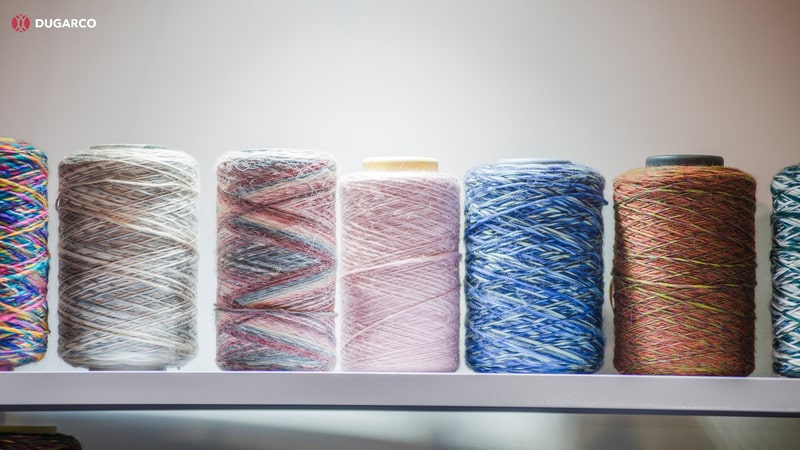
Characteristics of Common Fibers
Material | Advantages | Disadvantages | Practicality | Easy to Care | Common Uses |
Polyester | Durable, wrinkle-resistant, quick-drying, shrink-resistant | Not breathable, slightly stiff (low-gauge), prone to pilling | Suitable for daily wear, highly durable | Very easy | T-shirts, shirts, skirts, sportswear, jackets |
Acrylic | Lightweight, warm, soft, wool-like, colorfast | Prone to pilling, less abrasion-resistant | Warm and comfortable, lightweight | Easy | Sweaters, scarves, hats, home textiles |
Nylon | Strong, elastic, abrasion-resistant, lightweight | Poor moisture absorption, prone to static | Durable for sports and outdoor wear | Easy | Sportswear, outdoor jackets, backpacks, raincoats |
Cotton | Breathable, comfortable, absorbent, natural | Wrinkles easily, may shrink, dries slowly | Comfortable and breathable for daily casual wear | Moderate, may require ironing | T-shirts, shirts, jeans, casual wear |
Wool | Excellent insulation, elastic, natural fiber | Prone to shrinkage, pilling, moth damage | Ideal for winter clothing | Requires delicate care | Sweaters, coats, scarves, gloves |
Cashmere | Luxuriously soft, lightweight, warm, premium | Expensive, prone to pilling, deformation, and damage | Premium garments such as sweaters and scarves | Hand wash or dry clean only | High-end sweaters, scarves, shawls, luxury accessories |
Combining Materials to Maximize Their Strengths
As you can see from the table, natural fibers are more skin-friendly, but they are harder to care for and offer fewer options for special treatments or dye colors. Therefore, the common approach is blending fibers, combining the strengths of different materials to maximize their performance, durability, and comfort. This way, fabrics can offer the softness and breathability of natural fibers while benefiting from the durability, easy care, and functional enhancements of synthetic fibers.
Practical Examples:
Summer Clothing: For close-fitting summer garments, cotton is often preferred for its comfort and breathability. However, cotton wrinkles easily and dries slowly. By blending cotton with polyester, we combine the best of both fibers: cotton provides comfort and moisture absorption, while polyester adds wrinkle resistance, durability, and shrink-resistance. The result is a fabric that is easier to care for, dries faster, lasts longer, and is more affordable than pure cotton.
Winter Sweaters: Pure wool or cashmere sweaters are warm but expensive, heavy, and difficult to maintain. Most market sweaters are blends of acrylic, polyester, and wool. This preserves the warmth and comfort of natural fibers while reducing cost, improving durability, and making maintenance easier. After all, spending hours ironing or carefully caring for clothes every day can be exhausting.
Reference Guide for Choosing Clothing
Season | MainFiber | Function/Characteristics | TypicalUse | SelectionTips | Care/EaseofMaintenance |
Summer | Cotton / Cotton Blends | Absorbent, breathable, soft | T-shirts, shirts, skirts | Higher cotton content for comfort; blends improve durability | Easy to wash, quick-drying |
| Cotton + Polyester | Wrinkle-resistant, durable, easy to wash | Casual wear, office shirts | Check the ratio; too much polyester reduces breathability | Easy care, wrinkle-resistant |
| Cotton + Linen | Cool, breathable, lightweight | Summer shirts, skirts | Linen adds cooling effect but wrinkles easily | Requires ironing, quick-drying |
| Cotton + Modal / Lyocell | Silky, soft, breathable | Loungewear, lightweight dresses | Very comfortable, good for close-to-skin wear | Easy to wash, low pilling |
Winter | Wool | Warm, breathable, good handfeel | Sweaters, knits | Prefer high-count yarns, avoid pilling | Dry clean or gentle hand wash, prevent shrinkage |
| Wool + Cashmere | Ultra-soft, warm, lightweight | High-end sweaters, knits | For premium occasions, excellent handfeel | Dry clean preferred, hand wash carefully |
| Wool + Polyester / Acrylic | Warm, durable, easy to wash | Everyday sweaters, pullovers | Balance warmth and durability, moderate price | Gentle hand wash, relatively durable |
| Fully Synthetic (Acrylic / Polyester / Nylon) | Durable, anti-pilling, easy to wash | Fast fashion sweaters | Low-cost, suitable for easily worn garments | Easy to wash and dry, abrasion-resistant |
Functional / Performance Clothing | Polyester / Polyester Laminates | Waterproof, windproof, abrasion-resistant | Jackets, ski wear, sportswear | Choose appropriate breathability and windproof level for activity | Machine or hand wash, pay attention to waterproof coating care |
Therefore, when choosing a piece of clothing, it’s best to consider the intended use, functional requirements, and ease of care. Assess whether the materials meet your expectations and whether the price reflects the value and performance of the garment.
Conclusion
This article first introduces the thought process behind how factories select materials, and then moves on to more complex aspects such as structural design, processing techniques, and fiber composition adjustments. When developing a garment or fabric, factors like price, sustainability, functionality, and unique features must all be carefully considered—this reflects the R&D approach of professional textile manufacturers.
As a specialized fancy yarn manufacturer, we always listen closely to our clients’ diverse and personalized requirements. From appearance and fiber composition to price and functionality, each yarn we produce has its own advantages and distinctive qualities, tailored to meet specific needs and bring creative ideas to life.
Remember our name — Zhangjiagang Duoyou Yarn Manufacturing Co., Ltd.. If you are looking to develop or order fancy yarns, feel free to contact us. You can also follow us to stay updated on industry news and gain professional insights on yarns, fabrics, and clothing.
Related News
Discover more about the latest developments in the yarn industry, explore articles on development trends and innovative technologies, and provide you with more industry insights.
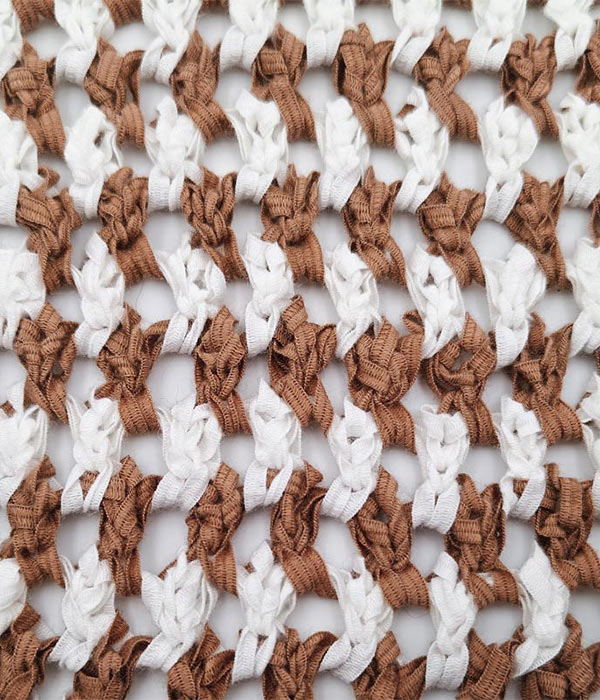
What Is Tape Yarn—and Why You’ll Love It
Tape yarn, tape-like fiber that offers a distinct texture and lightweight structure, making it a popular choice for summer knits and fashion-forward patterns. Unlike traditional round yarns, tape yarn spreads more surface area across your stitches, creating a more dramatic and openwork appearance. But what is tape yarn used for exactly, and how can you make the most of it in your knitting or crochet projects? Let’s dive in.
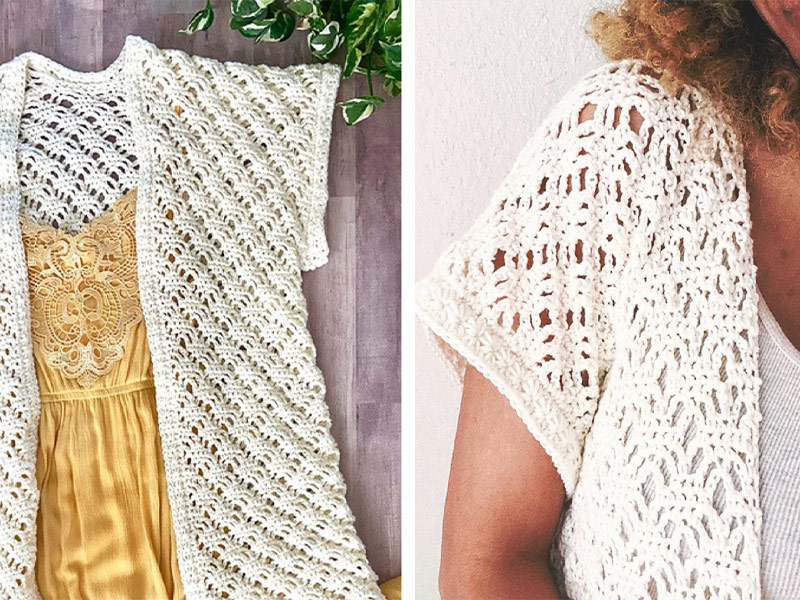
Best Yarn for Summer Cardigans: Lightweight, Breathable & Commercially Viable Options
Summer cardigans occupy a unique space in the apparel market. Unlike winter knitwear, they must provide light coverage without trapping heat, while still maintaining structure, drape, and aesthetic appeal.
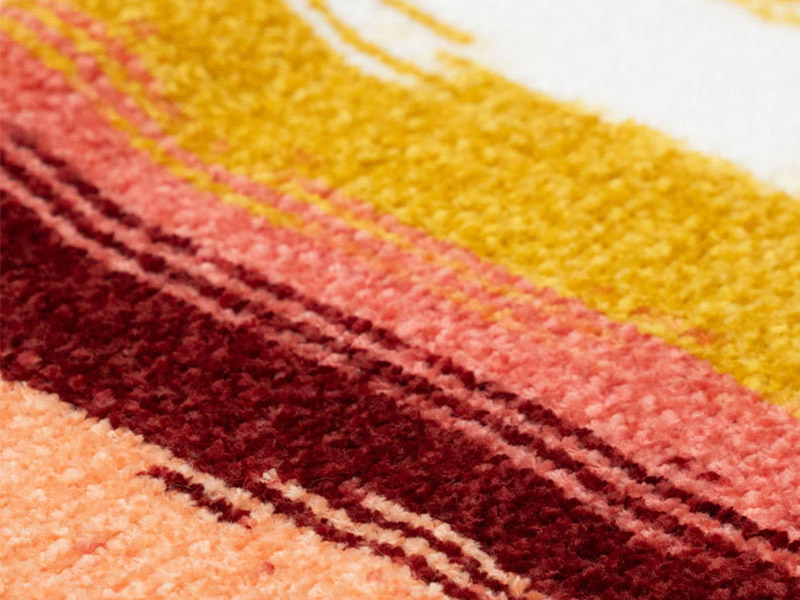
In knitting production, dyeing consistency and color fastness of chenille yarn largely determine downstream efficiency and cost control. For blended chenille yarns such as 76P/24N, shade variation and dyeing instability can quickly lead to lower yields and increased rework. This article highlights key dyeing and color fastness controls and their role in improving production efficiency and cost performance for B2B knitting mills.