
What Are The Advantages and Disadvantages of Blended Yarn? Insights for Textile Brands & Manufacturers
Blended yarns are very important in the modern textile industry because they let you combine the best parts of different fibers while getting rid of their worst parts. When you spin two or more types of fiber together, like cotton with polyester, wool with nylon, or cotton with spandex, you get a blended yarn. This type of yarn has properties that aren’t found in single-fiber yarns.
This method has changed the way clothes and textiles are made, allowing businesses to exactly match performance, comfort, cost, and style to what the market wants. In this article, we’ll talk about what blended yarn is, what its main benefits are, what problems it can cause, and how this affects brands and manufacturers’ choices about product development and sourcing.
What is Yarn That is Blended?
Blended yarn is made from two or more different types of fiber that are mixed together at the fiber stage and then spun into a single strand. For instance, mixing cotton’s softness and breathability with polyester’s strength and durability makes a balanced yarn that gets the best of both fibers.
Blended yarns are different from fabrics that are just woven or knitted from different yarns. They combine multiple fibers at the yarn level, which makes sure that the finished textile has the same properties throughout. This basic quality makes blended yarns very flexible and useful in many areas, including fashion, home textiles, industry, and performance wear.
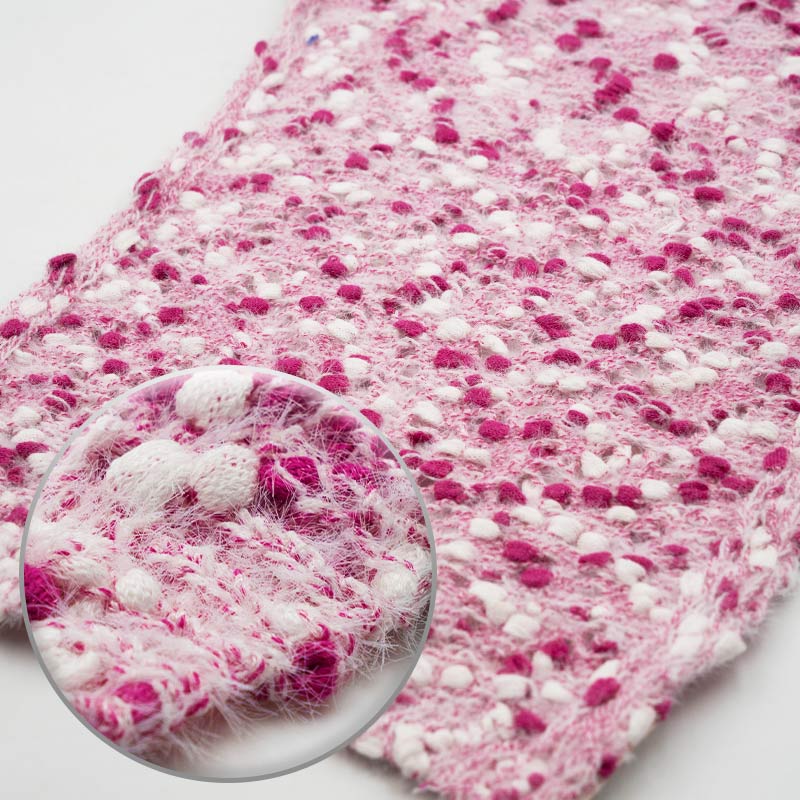
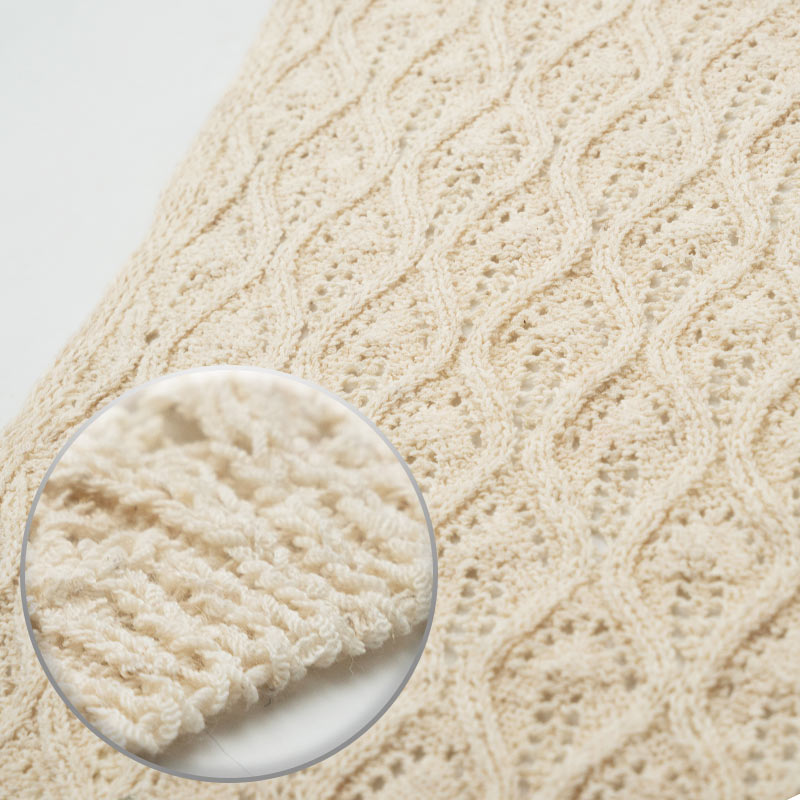
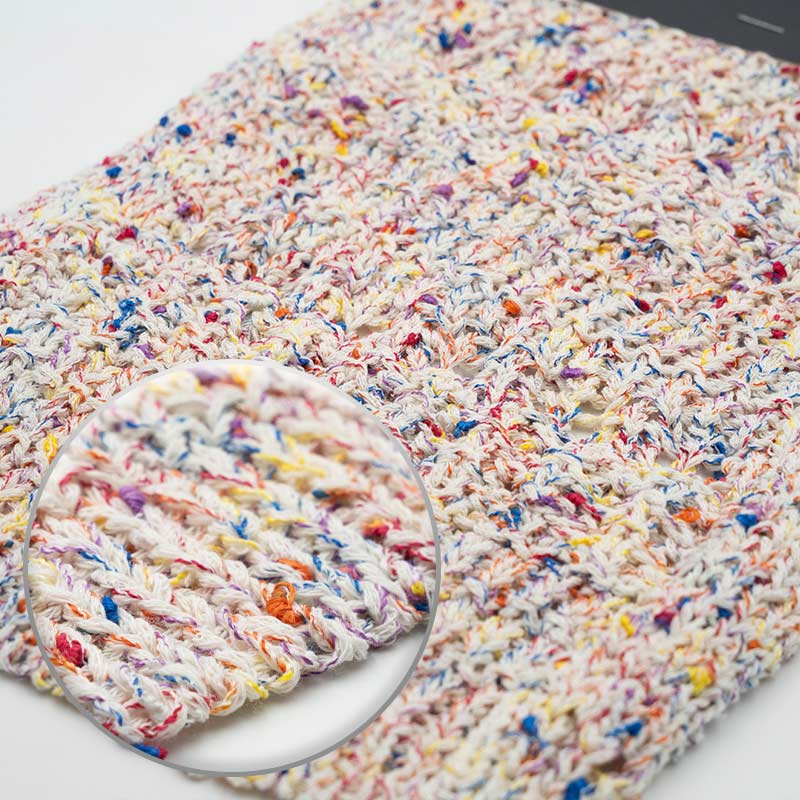
Benefits of Blended Yarn
Blended yarns offer several advantages that make them suitable for various types of textiles. These benefits can be grouped into four categories: performance, cost, comfort, and looks.
1. Enhanced Durability and Strength
One of the best things about blended yarn is that it can make things stronger and last longer. Mixing strong synthetic fibers like polyester or nylon with softer natural fibers like cotton or wool makes yarn that lasts longer and is less likely to wear out, tear, or get scratched than yarn made from just one type of fiber.
For instance, a blend of cotton and polyester is often stronger than 100% cotton, which means that clothes are less likely to get holes, stretch, or lose strength after being worn or washed many times.
2. Better balance between comfort and performance
Another great thing about blends is that they let you balance comfort and performance. Natural fibers like cotton and wool make things soft, breathable, and warm. Synthetic fibers like polyester, nylon, or spandex add stretch, moisture-wicking, quick-drying, and shape-retaining properties.
This mix is especially useful for everyday clothes, socks, underwear, and athletic wear where both comfort and function are important.
3. Cost-effectiveness and flexibility in production
When you mix fibers, you can save a lot of money on production costs by using cheaper synthetics instead of expensive natural fibers without losing important qualities. For example, you can mix silk or wool yarn with polyester or acrylic to make a product that feels like the natural fiber but costs less.
This cost benefit makes blended yarns very appealing for making textiles for the mass market and for private label lines.
4. Better looks and fabric behavior
Blended yarns can also improve the look and feel of the fabric. The way fibers are mixed together changes the color absorption, luster, drape, and surface texture. For instance, a yarn made of wool and polyester may be lighter and feel crisper than pure wool, and a blend of cotton and silk may keep the sheen of silk while looking like cotton.
These controlled visual and tactile effects give designers the freedom to make unique products.
5. Simple to care for and keep up with
Blended fabrics often have better dimensional stability, which means they shrink, wrinkle, or distort less when they are washed and used. A lot of blends can be washed and dried in a machine without losing much of their quality, which is very helpful for both consumers and retailers.
Disadvantages of Blended Yarn
Even though blended yarns have a lot of benefits, they also have some problems that manufacturers and brands need to think about, especially when it comes to comfort, sustainability, and performance over time.
1. Recycling and worries about the environment
One of the worst things about blended yarns is that they are hard to recycle. It is hard and takes a lot of energy to separate natural and synthetic fibers when they are tightly woven together at the end of a product’s life. This makes circular recycling much harder and adds to the amount of trash in landfills.
Pure natural fabrics like cotton and wool break down more easily than blends with synthetic materials, which can lead to long-term textile waste.
2. Natural fiber benefits that aren't as good
There are some trade-offs when you mix fibers. For instance, a lot of synthetic fiber may make a fabric less breathable or absorbent than 100% natural fibers. A blend with a lot of polyester may not be as good at handling moisture as pure cotton, which can make it less comfortable in hot or humid weather.
Some blends also feel less “natural” against the skin than pure natural fibers, which could make people think the quality is lower.
3. Possible Pilling
Some blended fabrics, especially those with shorter synthetic fibers, are more likely to pill, which is when small fiber balls form on the surface after being worn or washed many times. Over time, this can change how clothes look and how good they seem to be.
Choosing the right types of fibers and twist levels when making yarn can help with this problem, but it’s still something to think about for long-term wear.
4. Different Care Needs
Indeed, caring for blends is often easier than caring for pure natural fibers, but the care instructions can be very different depending on the fiber mix. Some blends may still need to be washed gently or cared for in a certain way, which can make labeling and giving instructions to customers more difficult.
Common Blended Yarn Types and Their Uses
Blended yarns are engineered to meet specific performance and aesthetic needs. Below are some of the most commonly used blended yarns in today’s textile market:
Blended Yarn Type | Key Fiber Components | Main Advantages | Potential Limitations | Typical End Uses |
Cotton / Polyester Blend | Natural cotton + synthetic polyester | Good balance of softness, strength, wrinkle resistance, and easy care | Less breathable than 100% cotton | T-shirts, casualwear, workwear, home textiles |
Wool / Acrylic Blend | Natural wool + synthetic acrylic | Warm, lightweight, cost-effective, reduced itchiness compared to pure wool | Lower moisture regulation than pure wool | Sweaters, scarves, beanies, winter knitwear |
Wool / Nylon Blend | Natural wool + synthetic nylon | Excellent durability, elasticity, abrasion resistance | Higher cost than wool-acrylic blends | Socks, performance knitwear, outdoor apparel |
Cotton / Spandex (Elastane) Blend | Cotton + elastane | Added stretch, improved fit and recovery, comfort | Slightly reduced durability over long-term use | Activewear, leggings, fitted garments |
Polyester / Acrylic Blend | Synthetic polyester + acrylic | Colorfast, lightweight, easy-care, good bulk | Lower breathability than natural blends | Outerwear, blankets, upholstery yarns |
Cotton / Wool Blend | Two natural fibers | Soft hand feel, breathable, moderate warmth, natural appearance | More careful washing needed | Scarves, sweaters, premium casualwear |
Polyester / Viscose (Rayon) Blend | Synthetic + regenerated fiber | Smooth surface, good drape, cost-efficient silk alternative | Lower abrasion resistance | Dresses, linings, lightweight knitwear |
Wool / Polyester Blend | Natural wool + synthetic polyester | Improved shape retention, reduced shrinkage, easier care | Slightly reduced warmth compared to pure wool | Coats, uniforms, knit fabrics |
What Are the Benefits of Blended Yarn? Finding and Making Textiles
More flexible markets
Brands can make products for different groups, from casual to performance wear, by changing the fiber ratios and technology in blended yarns.
Good performance in all situations
Blending synthetic and natural fibers lets developers find the right balance of warmth, breathability, strength, and care needs. This makes blended yarn perfect for everything from socks and knitwear to home decor.
Strategies for Competitive Pricing
Blends help brands keep their prices competitive while still making high-quality products. They do this by optimizing production and material costs while keeping performance and comfort.
Thoughts on sustainability and trends in the industry
Recycling blended textiles is still hard, but new ideas are being worked on. Brands and suppliers are looking into:
recycled polyester and other recycled synthetics
bio-based fiber alternatives
improved collection and separation technology
These changes are meant to make blended yarns more environmentally friendly during production and at the end of their life, which is in line with global goals for a circular economy.
Conclusion
Blended yarns are an important part of making textiles today. By combining the properties of different fibers, they make clothes, accessories, and home textiles that are more durable, comfortable, cost-effective to make, and versatile in how they can be used. But blended fabrics also have problems, like being hard to recycle, possibly losing some of the benefits of natural fibers, and being hard to care for.
When making products that meet market needs, cost limits, and sustainability goals, textile brands, manufacturers, and yarn suppliers need to know both the pros and cons of blended yarn. Blended yarns can help make high-quality, ready-to-sell textiles for a wide range of uses if you choose the right fibers and mix them in smart ways.