
What Is a Blended Yarn? Uses, Benefits & Types Explained
Blended yarn is one of the most widely used and versatile categories in the textile industry. By combining two or more types of fibers—natural, synthetic, or regenerated—blended yarns are engineered to maximize the advantages of each component while minimizing their limitations. This hybrid approach not only improves fabric performance but also enables manufacturers and designers to develop textiles that are comfortable, durable, visually appealing, and cost-effective.
In this article, we’ll explore what blended yarn is, why it’s used, the most common fiber combinations, its wide-ranging applications, and how to choose the right blend for your textile project.
What Is a Blended Yarn?
A blended yarn is a type of yarn made by spinning together two or more different fibers into a single strand. These fibers can include:
- Natural fibers: such as cotton, wool, silk
- Synthetic fibers: such as polyester, nylon, acrylic
- Regenerated fibers: such as viscose, modal, lyocell
The goal of blending is to combine the best qualities of each fiber. For example, a cotton-polyester blend merges the breathability of cotton with the wrinkle resistance and strength of polyester. Similarly, a wool-acrylic blend offers the warmth of wool with the affordability and color vibrancy of acrylic.
Blending is typically done before or during spinning, and the ratio of fibers can vary depending on the performance, texture, and price point the manufacturer wants to achieve.
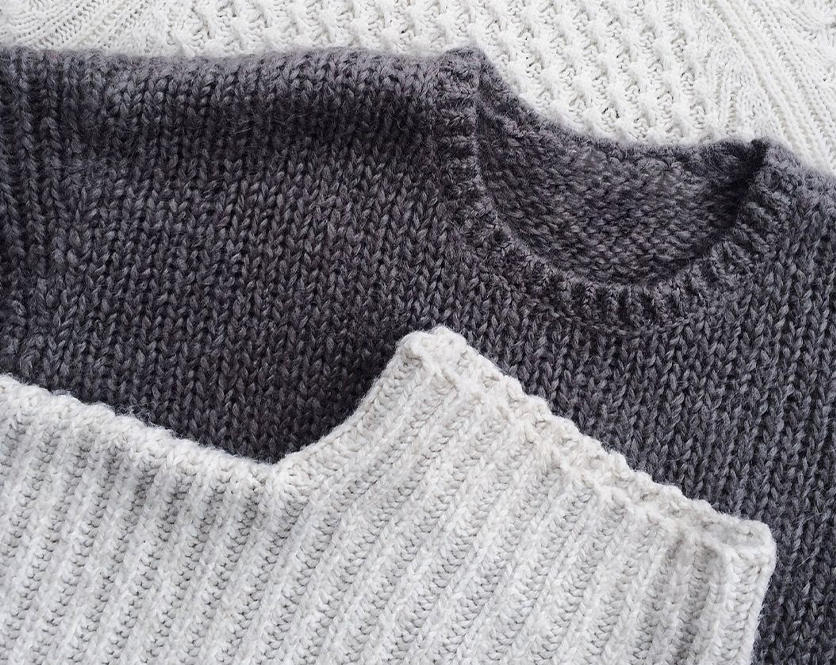
Why Use Blended Yarns?
There are several compelling reasons why blended yarns are favored in textile production:
1. Performance Enhancement
Each fiber has its strengths and weaknesses. Blending allows yarn makers to offset the limitations of one fiber with the strengths of another. For example, blending elastane (spandex) into a cotton base increases stretch and shape retention—perfect for activewear and fitted garments.
2. Cost Efficiency
Natural fibers like wool, silk, and organic cotton can be expensive. By blending them with synthetic or regenerated fibers, manufacturers reduce costs without sacrificing performance. This balance makes quality fabrics more accessible and affordable for mass-market production.
3. Design Flexibility
Blended yarns offer enhanced design potential. Boucle, slub, and marled effects are often achieved through strategic blending and twisting techniques. These decorative textures are ideal for fashion, upholstery, and accessories.
4. Improved Comfort
Some fibers are strong but rough (like linen), while others are soft but delicate (like modal). By blending them, the resulting yarn can be both comfortable and long-lasting—ideal for garments worn close to the skin.
5. Sustainability
Eco-conscious brands are turning to blended yarns that include recycled polyester, organic cotton, or regenerated cellulosic fibers to create textiles with a lower environmental footprint.
Common Types of Blended Yarns
Here are some of the most widely used blends in today’s textile markets:
Blend Type | Components | Key Features | Common Uses |
Polyester-Cotton (PC) | Synthetic + Natural | Durable, breathable, low-maintenance | T-shirts, uniforms, bed linen |
Wool-Acrylic | Natural + Synthetic | Warm, soft, budget-friendly | Sweaters, scarves, winterwear |
Cotton-Viscose | Natural + Regenerated | Soft, absorbent, lightweight | Dresses, knitwear, loungewear |
Nylon-Wool | Synthetic + Natural | Elastic, warm, abrasion-resistant | Socks, gloves, base layers |
Polyester-Acrylic | Synthetic + Synthetic | Colorfast, strong, easy-care | Outerwear, home textiles |
Modal-Cotton | Regenerated + Natural | Silky feel, breathable, good drape | Undergarments, summerwear |
Pro Tip: Custom ratios like 65/35, 50/50, or 80/20 blends are adjusted based on desired softness, durability, and stretch.
Applications of Blended Yarn
Blended yarn is used in virtually every textile sector thanks to its adaptability:
Apparel
Blended yarns are a staple in fashion and functional clothing. From basic T-shirts and polo shirts to stretch leggings and outdoor gear, they provide the perfect balance between comfort, durability, and aesthetics.
Home Textiles
In bedding, curtains, cushions, and upholstery, blended yarns help enhance durability, color retention, and texture—ideal for both minimalist and decorative designs.
Hand Knitting & Crochet
Yarns with special blends like wool-acrylic or cotton-bamboo are popular among handcrafters for creating baby garments, scarves, and amigurumi.
Industrial & Technical Textiles
Heavy-duty blended yarns are used in ropes, seat covers, filter fabrics, and even automotive interiors where both performance and wear resistance are key.
Fashion Accessories
Blends like nylon-acrylic or viscose-polyester are used in socks, gloves, hats, and other accessories that need to retain shape and color after repeated wear.
How to Choose the Right Blended Yarn
Selecting the ideal blend depends on your application and target customer. Consider the following:
End Use: Is it for fashion, function, or comfort? For example, sportswear needs stretch and moisture control, while upholstery requires abrasion resistance.
Fiber Ratio: The proportion affects the hand feel, durability, and care requirements. A 70/30 cotton-poly feels different from a 30/70 blend.
Fabric Behavior: Look at the drape, elasticity, and wrinkle resistance.
Color Compatibility: Not all fibers take dye the same way. If consistent coloring is critical, test dye behavior on blended yarns beforehand.
Eco Certifications: Check for standards like GRS (Global Recycled Standard) or OEKO-TEX® if sustainability matters to your brand.
Blended Yarn from Our Collection
At Duoyou Yarn, we specialize in high-performance and fashion-forward blended yarns for both mass production and boutique needs.
Eco-Conscious Blends
Recycled polyester–cotton
Organic cotton–viscose
GRS-certified blends for sustainable textile production
Fancy & Decorative Blends
Slub, boucle, and multi-ply twisted blended yarns
Ideal for knitwear, home décor, and woven fashion fabrics
Durable Functional Blends
Poly-cotton for uniforms & activewear
Wool-acrylic blends for thermal wear
Contact us for samples, shade cards, or custom blend development.
Conclusion
Blended yarn is more than just a compromise between fibers—it’s a creative and functional solution that enables innovation in textile production. Whether you’re aiming to reduce cost, increase comfort, improve fabric longevity, or achieve a unique aesthetic, there’s a blended yarn combination that’s right for your project.
Ready to elevate your next collection or product line? Get in touch with us today to discover how our high-quality blended yarns can help you bring your vision to life.
Related News
Discover more about the latest developments in the yarn industry, explore articles on development trends and innovative technologies, and provide you with more industry insights.
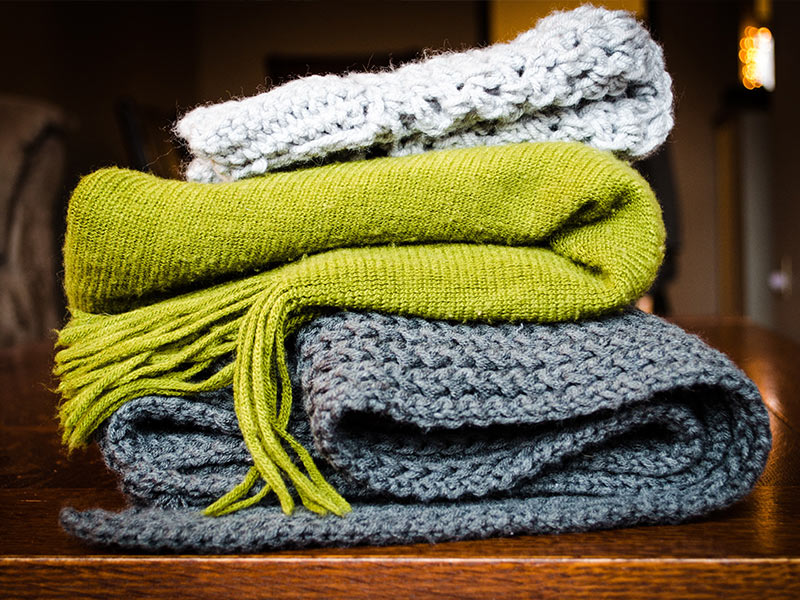
Best Yarn for Winter Sweaters: Warm, Durable & Commercially Viable Choices
Winter sweaters are one of the most important product categories in knitwear collections. Unlike transitional garments, winter sweaters must deliver strong insulation, long-term durability, and consistent comfort under cold conditions.
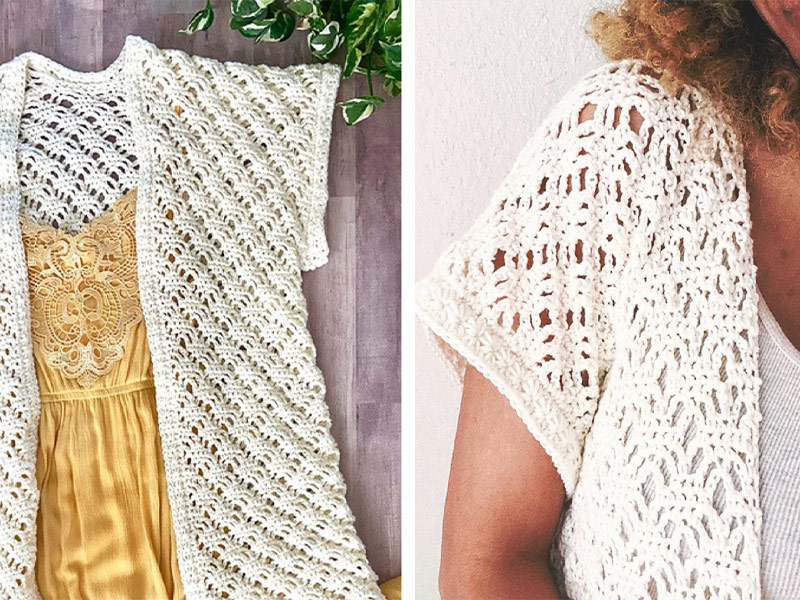
Best Yarn for Summer Cardigans: Lightweight, Breathable & Commercially Viable Options
Summer cardigans occupy a unique space in the apparel market. Unlike winter knitwear, they must provide light coverage without trapping heat, while still maintaining structure, drape, and aesthetic appeal.
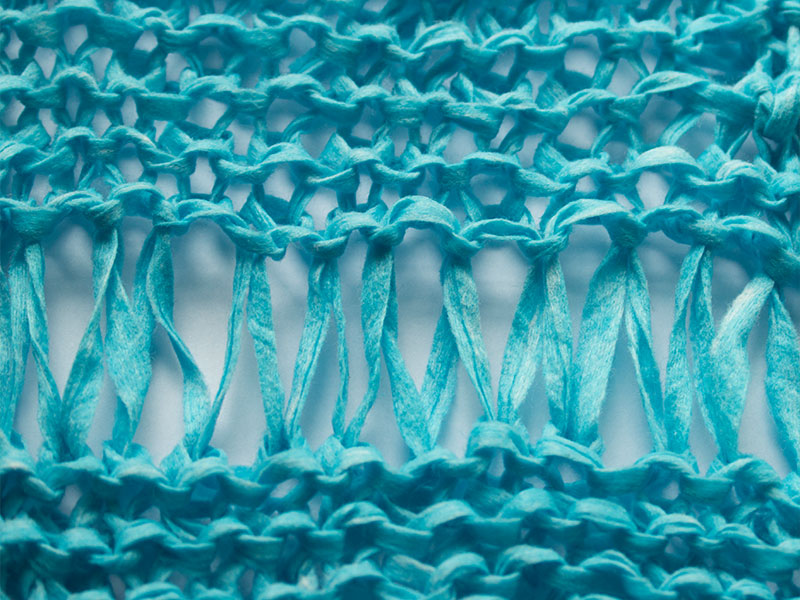
What Is Ribbon Yarn Good For? Uses, Benefits & Creative Applications Explained
Ribbon yarn is one of the most visually interesting types of fancy yarn. Ribbon yarn has a completely different texture than regular spun yarns because it is flat and tape-like and has a smooth surface.