What Is the Best Yarn for Socks? Durable, Comfortable & Wholesale Yarn Buyer’s Guide
Socks are more than just functional accessories — they endure constant wear, friction, stretch and frequent washing. Choosing the right yarn is very important for sock makers, knitwear brands, and B2B yarn buyers. The best sock yarn should be strong, comfortable, stretchy, and look good. As a company that sells fancy and blended yarns, it’s important for us to know what makes a great sock yarn so we can help customers all over the world.
This guide will show you what kind of yarn is best for socks, what the main fiber and structural properties are, what blend options are available, and how you as a buyer or supplier can choose the right yarn to meet both manufacturing needs and the comfort of the end user.
What makes a yarn good for socks?
When looking at yarn for making socks, keep these main points in mind:
1. Durability and resistance to wear Resistance
Walking, rubbing against shoes, and washing put a lot of stress on socks. Yarns need to be able to handle pilling, thinning, and holes. Some reviews say that sock yarns that last the longest have at least 20% nylon or polyamide added to make them stronger.
2. Keeping its shape and elasticity
A good sock fits snugly around the foot and ankle and then goes back to its original shape after use. Wool, for example, has natural elasticity, while nylon or elastane, for example, have added synthetic fibers that help keep the fit and stop sagging.
3. Comfort and fiber content
The type of fiber affects how breathable it is, how warm it is, and how it feels next to the skin. A guide says that wool and cotton blends are the best types of sock yarn.Wool is the “universal fiber for socks” due to its softness, elasticity and resilience. Cotton has advantages too, but by itself may lose shape more quickly.
4. The structure and twist of the yarn
The way yarn is made is important. Yarns with more than one ply and tightly twisted strands hold together better when stressed. A blog post about sock yarns says that choosing yarn with three or more plies makes it last longer.
5. The weight and gauge of the yarn
The thickness of your yarn affects how well it fits, how comfortable it is, and how you plan to use it. For everyday socks that fit into shoes, lighter weights like fingering or 4-ply are typically used. For “boot socks” or comfy indoor socks thicker yarns like DK or worsted may apply.
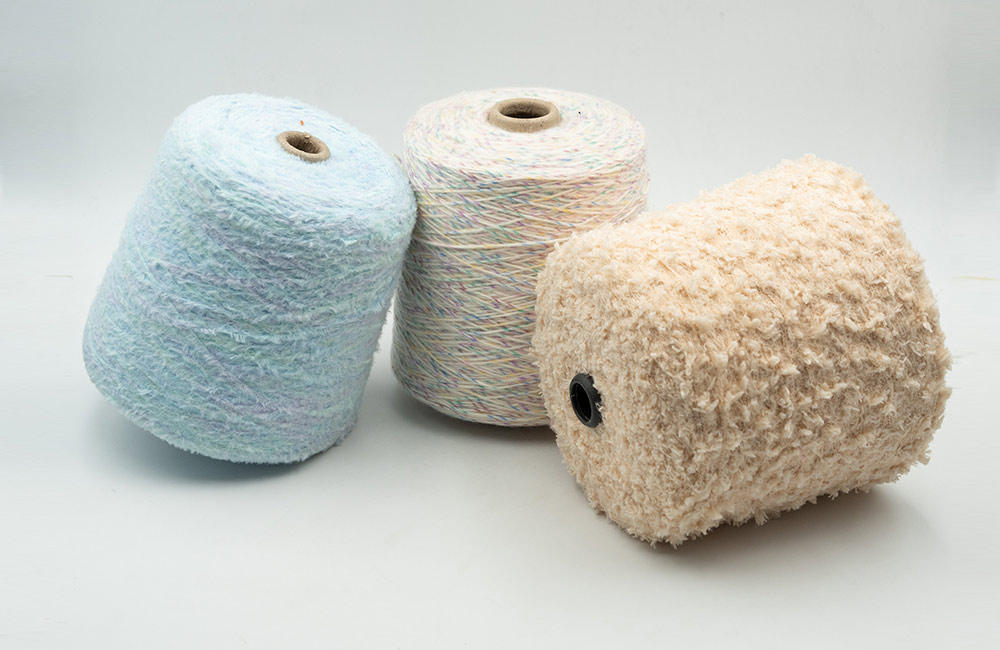
Recommended Yarn Types & Blends for Socks
Below are some of the best fiber options and blends for sock production, and how they meet the criteria above.
Yarn Type / Blend | Why It Works for Socks | Considerations for Wholesale Buyers |
Superwash Merino Wool | Fine diameter, soft feel, natural elasticity, good for next-to-skin comfort. | Price may be higher; ensure superwash treatment is consistent. |
Wool + Nylon / Polyamide Blend | Adds durability and shape retention; many long-lasting sock recommendations include nylon. | Confirm nylon percentage (commonly 10-30%) and target usage. |
Cotton + Synthetic Blend (e.g., Cotton/Nylon) | Breathable, good for warmer climates, and cost-effective. | Pure cotton lacks elasticity; ensure blend has synthetics for stretch. |
Alpaca / Bamboo Blends | Alternative luxury options: soft, hypoallergenic, add premium value. | May cost more; check abrasion resistance for daily-wear socks. |
Fancy Yarn Blends (e.g., textured or novelty sock yarns) | Adds visual interest (slubs, neps, tape effects) while still aimed at comfort. | Texture must not compromise inside-shoe comfort or durability. |
How to Find the Right Sock Yarn for Bulk or Wholesale
As a supplier or buyer getting ready for large-scale sock production, here are some important things to check and talk about:
Blend Description
Check the fiber content and percentages. For instance: A common mix is 75% superwash merino and 25% nylon.
When using wool blends, look for certifications like GOTS or RWS if you want to use eco-friendly or recycled materials.
Count and ply of yarn
For regular adult socks, use fingering weight (about 400 m/100 g) or a 4-ply base.
For durability, make sure the socks are at least three-ply, especially for men or when you’re outside.
Finishing and how it feels in your hand
Wool gets a superwash treatment so that it can be washed in a machine.
Soft finishes or enzyme treatments that make things less scratchy.
Check the twist and set-up to see if it will resist pilling.
Color Range, Lot Consistency, and MOQ
Make sure that the dye lots are big enough to make a whole run of socks so that there are no small color differences between batches.
Give customers the option to choose their own colors and blends to set their brand apart.
Set MOQs that are in line with how much the buyer can make.
Testing for Durability
Request data on tests for pilling, abrasion, and shape retention.
If you can, simulate wear on the heels and toes to get an idea of how long they will last.
Supplier Skill
When getting yarn from a fancy supplier, make sure they know how to make sock yarn bases, the right counts, and how to mix them for strength.
Your supply chain should give sock makers a consistent yarn count, color repeatability, and technical help.
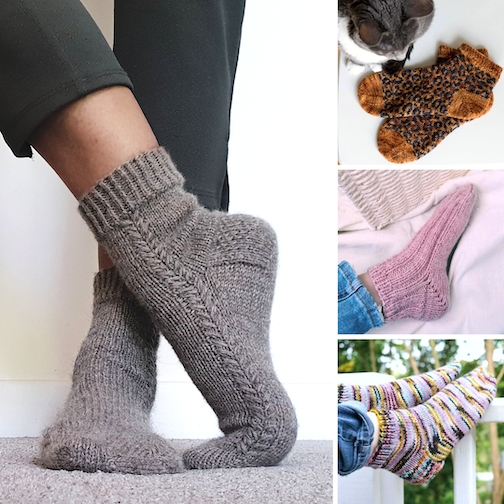
Business Opportunities and Market Uses
Let’s look at where there is a lot of demand for sock yarn and how fancy and blended yarn suppliers can get involved:
Socks for sports and the outdoors
Durability, moisture management, and comfort are all important for high-performance socks. Wool and nylon blends work well for this purpose.
Fancy yarn suppliers can show off their high durability and aesthetic options (like variegated colors and subtle neps) for high-end markets.
Designer and Fashion Socks
Socks can be statement pieces when they are made with textured or novelty yarns.
You could sell textured blends with soft wool and fun effects as luxury lifestyle socks, for example.
Socks for kids and everyday use
Cotton-blend or soft acrylic blends that are easy on the wallet and good for everyday use.
Suppliers that sell “easy-care base yarns” at low prices can handle large orders.
Sock lines that are good for the environment and people
As more people become interested in ethical fashion, sock bases made of recycled wool/nylon blends or organic cotton/nylon blends are a great deal.
Integrating recycled fibers and certifications into your sock yarn base appeals to conscious brands and buyers.
Why Fancy Yarn Company Should Offer Sock-Optimized Yarn
As a company that specializes in fancy, blended, and value-added yarns, introducing a dedicated sock-yarn line makes strategic sense:
Product differentiation: Many suppliers provide generic sock yarn bases; you can deliver custom texture, colour and finish.
Using your blending skills: Your knowledge of blends like wool/acrylic, cotton/nylon, and recycled wool/nylon gives you an edge over the competition.
Market expansion: Sock manufacturing is a high-volume niche; gaining reputation in this space opens doors to yarn repeat business.
Brand positioning: Being known as a “designer sock-yarn supplier” helps you attract premium clients who value both style and durability.
Technical support: Offering testing data, durability specs and finishing options supports B2B buyers in qualifying yarns for production.
Final Thoughts and a List of Suppliers
When choosing the best yarn for socks, you need to find a balance between comfort, durability, and readiness for production. For B2B buyers and suppliers who want to meet their needs, focus on:
- Fiber content that combines strength (nylon, polyamide) with natural comfort (wool, cotton).
- Yarn structure and twist that deliver durability.
- Yarn weight optimized for intended sock use (fingering/4-ply for standard socks).
- Supply chain readiness: colour consistency, lot sizes, finishing support, and MOQs.
- Range of product offerings, including basic sock yarn, luxury sock variants, and novelty textured sock yarns.
Our company sells a wide range of sock-optimized yarns, from classic wool/nylon bases to high-end recycled wool blends to designer novelty yarns with texture and color. If you’re ready to step up your sock yarn game, we have what you need. Get in touch with us today to learn more about custom formulations, bulk pricing, and developing samples.
Related News
Discover more about the latest developments in the yarn industry, explore articles on development trends and innovative technologies, and provide you with more industry insights.

Feather Yarn vs. Mink Yarn: Comprehensive Guide to Sourcing Yarn for the Production of Sweaters
Feather yarn and Mink yarn have emerged as two of the most sought-after fancy yarns for fall and winter collections in the international knitwear supply chain of the present day.
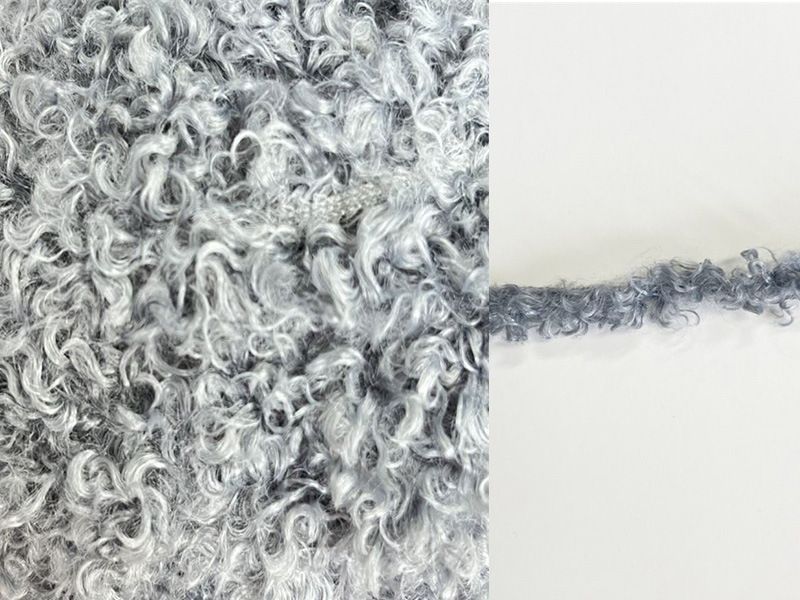
Teddy Yarn Guide: Features and Applications in Modern Knitwear
The name “teddy yarn” comes from how it looks. The surface looks like the soft, fluffy fur of a teddy bear when it is knitted into fabric. The texture is soft, full, and warm-looking, which makes it very appealing to fashion firms that are working on their fall and winter collections.

Yarn Trends 2025: Sustainable, Recycled & Natural Blends Reshaping the Fancy Yarn Market
As the fashion and home textile industries around the world change, the yarn industry is also going through a big change.
Sustainability, recycled materials, and new blended fibers will be the most important things in the yarn market by 2025. These will change what brands, designers, and suppliers make and get.