Wrapped Yarn in Textiles: Types, Uses, and Benefits for Apparel & Industrial Applications

Wrapped yarn, a unique type of fancy yarn, is created by spirally winding a filament or fiber around a core yarn. This technique produces a composite yarn that combines the functionality of the core with the decorative and tactile properties of the wrapping layer. Due to its complex structure and high design potential, wrapped yarn is extensively used in the fashion industry, interior textiles, and technical applications.

1. What is Wrapped Yarn?

Wrapped yarn, consists of two major parts: a core yarn and a wrapping fiber. The wrapping fiber is spirally wound around the core in either a regular or irregular pattern. This wrapping can serve a functional purpose—such as enhancing elasticity, durability, or stretch resistance—or an aesthetic purpose, like adding shine, contrast, or texture. The structure allows for a wide variety of combinations in terms of materials, colors, and fiber behaviors, enabling manufacturers to create customized yarns for specific applications.

For example, a wrapped yarn may have a polyester filament core wrapped with a metallic Lurex strand to create a high-shine, festive look. Alternatively, it might have an elastic spandex core wrapped with a soft cotton or viscose yarn to create stretchable, skin-friendly textiles.

2. Key Structural Elements

The versatility of wrapped yarn stems from the numerous variables that can be altered during production:

Core Yarn: This is the structural foundation of the yarn. It can be made from cotton, polyester, viscose, acrylic, nylon, wool, or elastic fibers like spandex or Lycra.
Wrapping Fiber: The outer fiber that spirally encases the core. This may be filament yarn, flat yarn, textured yarn, or even metallic fibers.
Twist Direction: S-twist and Z-twist determine the rotational direction of the wrapping, which can affect fabric surface feel and yarn behavior in knitting or weaving.
 Wrap Density: Refers to how closely the wrapping fibers are wound; affects softness, strength, and stretch.

3. How is Wrapped Yarn Produced?

The manufacturing of wrapped yarn is a specialized process that requires precise control over yarn tension, twist, and fiber feed rates. The two main types of wrapping are ‘tight covering’ and ‘fancy wrapping.’ Tight covering is used primarily for functional yarns, such as stretch yarns used in sportswear. Fancy wrapping focuses more on visual aesthetics, such as combining bright colors or metallic fibers to enhance fabric design.

Typical machinery includes:

Covering Machines: Often used to wrap spandex or rubber core with polyester or nylon filaments.

Fancy Twisting Machines: Create decorative effects and variable wrap patterns.
Air Jet Machines: Can be used for light and fluffy wrapping.

The process involves feeding the core yarn at a controlled speed while the wrap yarn rotates around it. Some systems allow for simultaneous wrapping in S and Z directions to reduce torque and improve balance.

4. Classifications of Wrapped Yarn

Wrapped yarns can be broadly categorized based on their structural characteristics and intended use:

Single-Wrap Yarn: One fiber spirally wound around the core. Most basic and cost-effective.
Double-Wrap Yarn: Two fibers wrap in opposing directions, improving balance and torque resistance.
Elastic Covered Yarn: Combines an elastic core (like spandex) with a covering yarn. Used in stretch fabrics.
Multi-color Wrapped Yarn: Uses multiple wrapping yarns of different colors or materials.
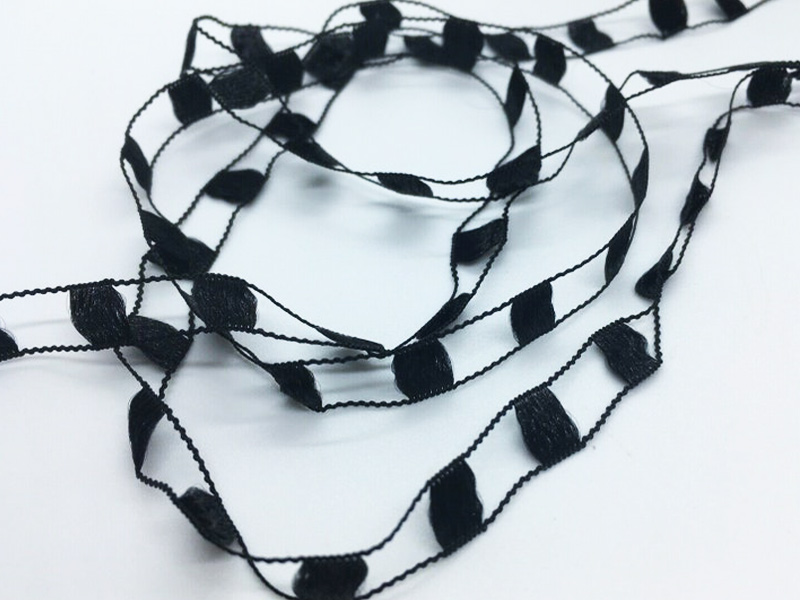
Semi-Wrapped Yarn: Wrapping does not cover the entire core uniformly. Often used for artistic or textured effects.

5. Applications of Wrapped Yarn

Wrapped yarn finds applications across diverse industries:
Fashion & Apparel:
– Used in dresses, sweaters, scarves, socks, leggings, and tights.
– Offers stretch, shine, or unique textures, depending on wrapping materials.
Sportswear & Activewear:
– Elastic-wrapped yarns are essential in form-fitting athletic garments.
– Enhances flexibility and moisture-wicking properties

6. Advantages of Wrapped Yarn

There are multiple reasons why designers and manufacturers prefer wrapped yarn:

Enhanced Aesthetics: Decorative wraps can add sparkle, texture, or color contrast.
Functional Integration: Combines the strength of the core with the softness or gloss of the wrap.
Customization: Material, color, twist, and texture can all be modified.
Stretch and Recovery: Ideal for garments that must retain shape.
Improved Fabric Hand: Final yarns can be tailored to feel soft, firm, silky, or textured.
Durability: Certain wraps can protect the core and extend the life of the fabric.

7. Wrapped Yarn vs Other Fancy Yarns

Fancy yarns come in many styles. How does wrapped yarn compare?

Slub Yarn: Features thick and thin sections. Wrapped yarn is more uniform, but can mimic this effect with alternate wrap density.
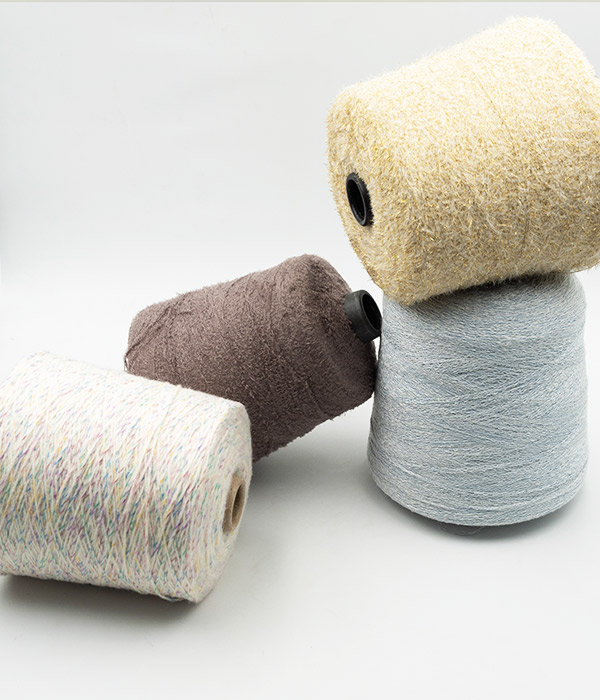
Feather Yarn: Extremely fluffy and soft, usually used in winter garments. Wrapped yarn is less fluffy but more durable.
Core-Spun Yarn: Similar to wrapped yarn, but the sheath is more compact and not spiral. Core-spun is often stronger but less decorative.
Loop Yarn: Yarns with looped protrusions. More 3D but harder to weave.

In summary, wrapped yarn provides a good middle ground between fashion and functionality.

8. Material Selection in Wrapped Yarn

The choice of materials greatly influences wrapped yarn behavior:

Core Options:
– Natural: Cotton, wool, viscose
– Synthetic: Polyester, acrylic, nylon
– Elastic: Spandex


Wrap Options:
– Flat yarns: For smooth finishes
– Textured yarns: For crimped or bouncy feel
– Metallic fibers: For shiny or reflective effects
– Chenille: Adds plushness
– Brushed yarns: Create a fuzzy surface

Manufacturers often combine opposing characteristics, such as wrapping soft viscose over strong polyester for enhanced hand feel.

9. Conclusion

Wrapped yarn represents one of the most adaptable and visually engaging yarn constructions in modern textiles. Its ability to blend function with beauty, durability with comfort, and tradition with innovation makes it a top choice for designers across industries.

At Duoyou Yarn, we have 25 years of experience in fancy yarn manufacturing to create customized wrapped yarn solutions for clients worldwide. Whether you’re developing fashion-forward garments ir technical textile applications, our team can help you create the perfect yarn.

Are you Interested in wrapped yarn samples or bulk customization? Contact us today or visit our product :www.duoyouyarn.com

Related News

Discover more about the latest developments in the yarn industry, explore articles on development trends and innovative technologies, and provide you with more industry insights.

News

Sparkling Softness: The Unique Charm of Metallic Faux Mink Yarn

In the selection of autumn and winter fabrics, there is an increasing demand for materials that offer both warmth and style. Among many types of yarns, one particular variety has emerged as a new favorite in the design world—it is the Metallic Faux Mink Yarn, a material that combines soft texture with subtle metallic luster.

Learn more
News

Things You Need To Know About Using Boucle Yarn To Knit

Have you ever wondered how they are manufactured when you touch the three-dimensional circular fabrics? The answer is Boucle Yarn. This yarn, which has unique loop patterns and embossed textures (the French word “boucle,” which sounds like “boo-clay” and means “coiled” or “circular”), adds a lot of depth, visual appeal, and warmth to any project.

Learn more

CONTACT

Get In Touch

The image is loading……