
Cotton Wool Blend Yarn for Knitting & Weaving: Uses, Benefits & Supplier Tips
Cotton wool yarn is one of the most useful and popular blended yarns in the textile industry. This yarn strikes a balance that neither cotton nor wool can provide on its own by combining the breathability and softness of cotton with the warmth and stretchiness of wool. Cotton wool yarn is strong, comfortable, and flexible enough to be used in fashion, home textiles, and special projects. It works for both industrial buyers and individual makers.
This article will talk about what cotton wool yarn is used for, how it helps manufacturers and designers in unique ways, how it compares to single-fiber yarns, and some project ideas that you can use. We’ll also talk about why it’s important to get your yarn from a reputable manufacturer to get the most out of it.
What Is Cotton Wool Yarn?
Cotton wool yarn is a type of yarn that is made by spinning together cotton and wool fibres in different amounts. Some common blends are 50% cotton and 50% wool, 60% cotton and 40% wool, or other ratios that are made for certain uses.
Cotton’s properties: This hybrid yarn is made to take advantage of cotton’s cool, lightweight, breathable, and hypoallergenic qualities.
Wool’s properties: Wool is insulating, stretchy, strong, and wicks away moisture.
This yarn is all-season, strong, and flexible, which makes it a popular choice for both knitting and industrial weaving.
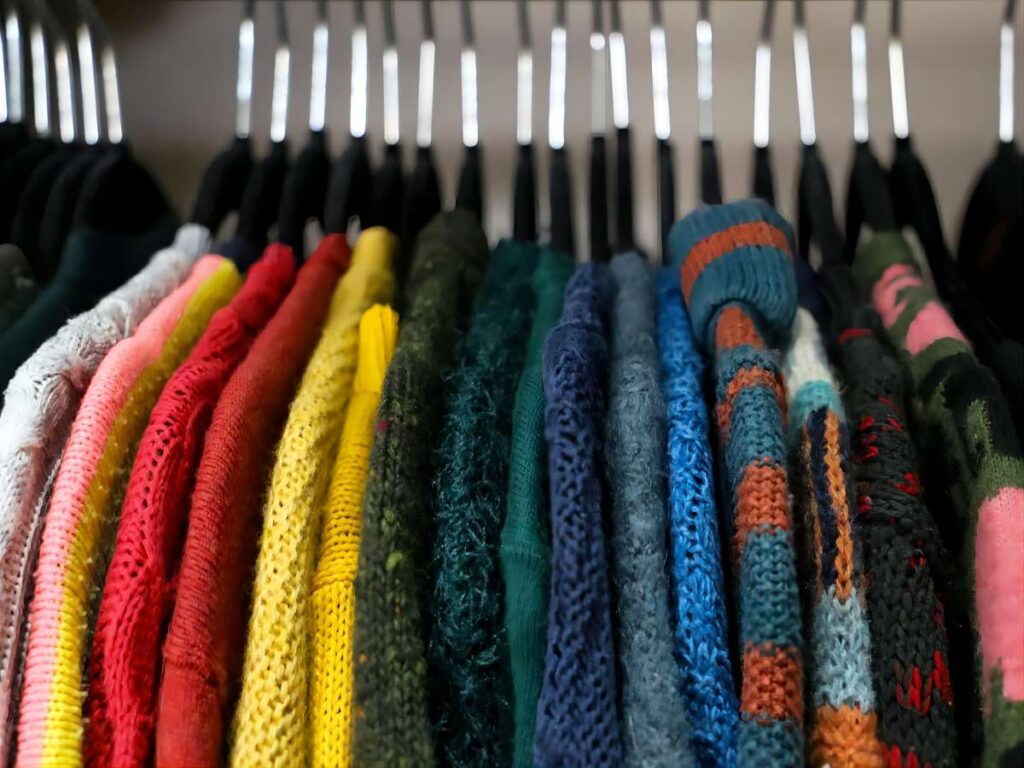
The main benefits of cotton wool yarn
Mixing cotton and wool isn’t just for convenience; it also makes the yarn more desirable by combining its properties.
1. Comfort and Wearability
Cotton makes things softer and cooler, while wool makes things warmer and more flexible. They work together to make a fabric that feels good against the skin and can be worn all day.
2. Breathability and Moisture Management
Cotton soaks up water, while wool wicks it away and keeps the body warm. This balance keeps the temperature stable and keeps clothes from feeling sticky or wet.
3. Durability and Longevity
Wool’s stretchiness keeps the fabric from losing its shape, and cotton makes it stronger. The yarn doesn’t pill, stretch, or wear out too quickly, which makes the product last longer.
4. Versatility Across Seasons
In the summer, pure wool might be too warm, and in the winter, pure cotton might not be warm enough. Cotton wool yarn fixes this because it can be used in both warm and cool places.
Cotton Wool Yarn vs. Single-Fiber Yarns
Feature | Pure Cotton Yarn | Pure Wool Yarn | Cotton Wool Blend |
Softness | Soft, lightweight | Warm, sometimes itchy | Soft with gentle warmth |
Breathability | Excellent | Moderate | Balanced |
Moisture Handling | Absorbs, dries slowly | Wicks moisture, retains warmth | Absorbs + wicks |
Durability | Prone to stretching | Resilient but can felt | Strong and elastic |
Seasonality | Best for summer | Best for winter | Suitable year-round |
This comparison shows why many fashion brands and textile manufacturers like blends better than single-fiber yarns, especially when making clothes that can be worn all year round.
What Is Cotton Wool Yarn Used For?
Cotton wool yarn can be used in many different industries and for many different types of products. Here are some of the most common uses:
1. Comfort and Wearability
Sweaters and cardigans are light but warm, making them great for changing weather.
Scarves and shawls are soft and drape well, and they keep you warm without making you sweat.
Socks made of wool that stretch and cotton that breathes to keep odours down.
Baby clothes are soft on sensitive skin and help keep the body at a comfortable temperature.
2. Home Textiles
Blankets and throws are warm but not too heavy, making them great for all year round.
Cushion covers are tough and comfy, and they feel natural.
Lightweight rugs are strong, stretchy, and let air flow through.
3. Craft and DIY Projects
Knitting and crocheting projects that are good for both beginners and experts.
Weaving and macramé make fabrics that feel soft but last a long time.
Projects for decoration, like wall hangings and table runners.
4. Use in business and industry
Uniforms and work clothes should be breathable but strong.
Sportswear keeps you warm while also letting you sweat.
Textile blends: Cotton wool yarn is often mixed with synthetics to make performance fabrics.
Why Cotton Wool Blends Are Popular with Textile Makers
Cotton wool yarn is a flexible material that is also less expensive than getting pure wool for B2B buyers. It gives:
- Less expensive to make than clothes made of 100% wool..
- There is a market for all-season clothing..
- Care instructions are easier because blends don’t shrink as much as pure wool.
- There is a lot of demand from consumers for sustainable and natural textiles.
Tips for Using Cotton Wool Yarn
Here are some tips for designers, manufacturers, and hobbyists:
- Check the blend ratio: More cotton makes the fabric cooler and lighter, while more wool makes it warmer and more stretchy.
- Pre-wash samples: Blends can shrink differently depending on how they were spun.
- Pick the right ply: finer plied yarns are better for weaving, and thicker plies are better for knitting.
- Source from reliable suppliers: Quality control makes sure that the colours and blends are always the same.
Our Cotton Wool Yarn Solutions
At Duoyou Fancy Yarn, we make custom cotton wool blends for both fashion and industrial uses. Some of our best qualities are:
Advanced spinning methods to make sure the yarns are smooth and long-lasting.
Design houses can get custom dyeing and low minimum order quantities.
If you need help finding sweaters, scarves, blankets, or other cotton wool projects, our team can help you find what you need.
Conclusion
Cotton wool yarn is an important material for both fashion and industrial textiles because it has the softness and breathability of cotton and the warmth and stretchiness of wool. It can be used for a wide range of things, from sweaters to baby clothes to blankets to sportswear.
Cotton wool blends are popular with textile makers and B2B buyers all year long because they are cheap and in demand. You can get the most out of this versatile yarn in your product lines by choosing a reliable yarn supplier.
Related News
Discover more about the latest developments in the yarn industry, explore articles on development trends and innovative technologies, and provide you with more industry insights.
Best Yarn for Winter Sweaters: Warm, Durable & Commercially Viable Choices
Winter sweaters are one of the most important product categories in knitwear collections. Unlike transitional garments, winter sweaters must deliver strong insulation, long-term durability, and consistent comfort under cold conditions.
Best Yarn for Summer Cardigans: Lightweight, Breathable & Commercially Viable Options
Summer cardigans occupy a unique space in the apparel market. Unlike winter knitwear, they must provide light coverage without trapping heat, while still maintaining structure, drape, and aesthetic appeal.
What Is Ribbon Yarn Good For? Uses, Benefits & Creative Applications Explained
Ribbon yarn is one of the most visually interesting types of fancy yarn. Ribbon yarn has a completely different texture than regular spun yarns because it is flat and tape-like and has a smooth surface.