
The Evolution of Fancy Yarns: From Ancient Craft to Modern Fashion
Fancy yarns are more than just textile materials—they are storytellers woven into the very fabric of fashion. With their unique textures, colors, and structures, fancy yarns breathe life into garments, giving each piece a distinct personality and voice. The fascinating evolution of fancy yarns reflects the intertwining progress of textile technology, cultural trends, and the human yearning for beauty and individuality.
1. Ancient Origins: The Birth of Decorative Yarns
Long before the era of industrial machines, human creativity found ways to adorn textiles, turning simple fibers into symbols of status, beauty, and meaning.
Egypt & Persia
Royal robes and ceremonial garments were woven and embroidered with golden threads and richly dyed linen. These intricate details not only signified power but also spiritual significance.
Byzantine & Medieval Europe
Religious vestments and aristocratic apparel showcased metallic threads wrapped with silver and gold, elevating garments into works of art.
China’s Silk Era
Techniques like Yunjin brocade and metallic embroidery integrated colorful threads, creating dimensional and luxurious effects.
Key Characteristics
Techniques like Yunjin brocade and metallic embroidery used colorful and metallic yarns to create luxurious, three-dimensional fabric textures that symbolized prestige and artistry.
During these early times, decorative yarns were painstakingly crafted by hand, making them rare treasures reserved for the elite. The meticulous craftsmanship imbued each thread with stories of culture and heritage.
2. The Industrial Revolution: The First Steps Toward Fancy Yarns
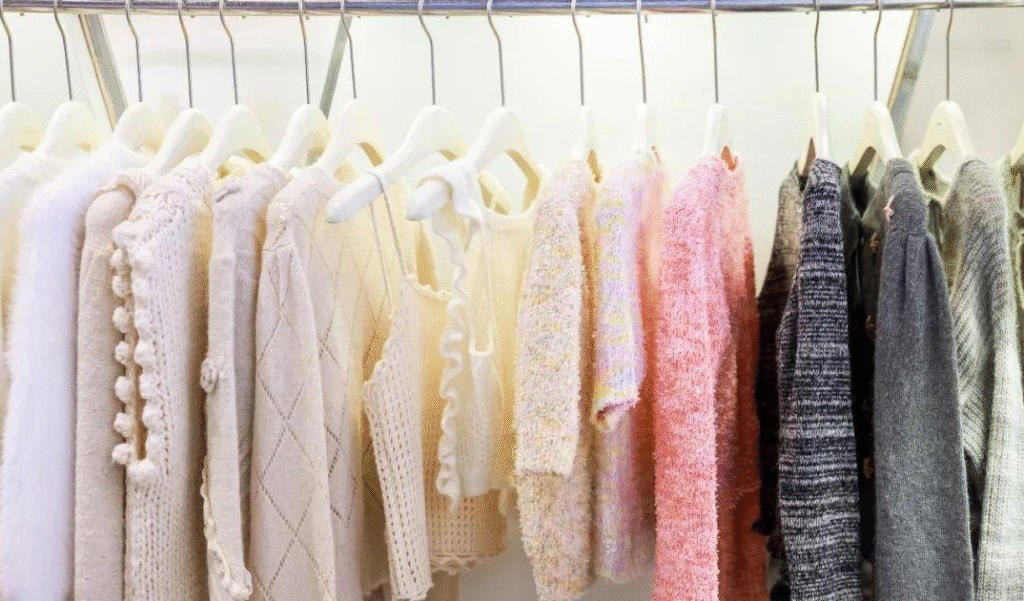
The late 18th and 19th centuries brought the Industrial Revolution, forever transforming textile production. For the first time, machines began to mimic the textures and irregularities of handcrafted yarns.
Technological Breakthroughs:
Slub Yarn –Created by varying the spinning tension to produce thick-and-thin segments along a single strand, adding visual interest and texture.
Bouclé Yarn –Formed through loops on the yarn surface by manipulating tension between plied threads, offering a bouncy, tactile feel.
Knop Yarn –Featuring decorative knots or beads that punctuate the yarn, creating subtle, playful textures.
Applications & Impact:
These textured yarns found favor in shawls, cloaks, and blankets across Europe’s colder climates. Nobility and emerging upper classes began embracing visible texture as a sign of refined taste. This period marked the transition of fancy yarns from exclusive handcrafts to the cusp of industrial accessibility.
3. Early Modern Era: Fancy Yarns Weave into Fashion (Early 20th Century)
The 20th century accelerated the industrialization of fancy yarns, expanding their reach and expressive potential.
Advancements in Machinery:
New fancy twisting and winding machines allowed more complex yarn structures and consistent production, making decorative yarns more accessible to manufacturers.
Material Innovations:
Alongside traditional wool and cotton, regenerated fibers like viscose introduced enhanced softness and vibrant color possibilities.
Fashion Influence:
The 1920s and 1930s saw textured knitwear becoming a fashion statement across Europe. Fancy yarns made their way from functional home textiles into women’s sweaters and stylish knitwear, embodying both warmth and elegance.
This era marked a significant shift: fancy yarns were now essential tools for designers to express individuality and innovation.
4. The Golden Age: Synthetics and the Fashion Revolution (Mid to Late 20th Century)
Post-World War II advances in synthetic fibers revolutionized fancy yarn production, unlocking new dimensions in durability, color, and form.
Synthetic Fiber Breakthroughs:
Materials such as nylon, polyester, and acrylic enabled yarns to be lighter, stronger, and infinitely more colorful than ever before.
Variety Flourishes:
Feather Yarns: Soft, airy strands with a delicate halo, perfect for luxurious, cozy knits.
Brush Yarns: Textured with raised piles, ideal for winter garments that invite touch.
Lurex Yarns: Metallic threads that shimmer and catch light like fine jewelry.
Bouclé, Slub, and Knop Yarns: Widely produced, giving designers a rich palette of textures to play with.
Fashion’s Embrace:
From the 1950s through the 1970s, fashion celebrated volume, texture, and opulence. Italian design house Missoni famously pioneered the use of colorful, wavy fancy yarns, making them synonymous with high fashion knitwear. Globally, Italy, France, and Japan led the charge in innovation, cementing fancy yarns as essential elements of runway collections.
Fancy yarns became more than materials—they transformed into a sophisticated language of style.
5. Contemporary Fancy Yarns: Creativity Meets Sustainability (21st Century)
The new millennium brought about a flourishing of diversity and consciousness in fancy yarn production.
Technological Fusion:
Combining fancy twisting, brushing, crocheting, and computerized knitting allows production of intricate yarns like faux mink, multi-hued slub, sequin blends, and metallic-covered fibers.
Broadening Horizons:
Fancy yarns now adorn not only sweaters and scarves but also home décor, accessories, art installations, and DIY crafts, weaving themselves into diverse lifestyle aesthetics.
Sustainability at the Forefront:
A growing share of fancy yarns incorporate recycled polyester, organic cotton, bamboo fibers, and biodegradable materials. Coupled with low-impact dyes and energy-efficient processes, these yarns align with the global movement toward responsible, green fashion.
6. Looking Ahead: The Future of Fancy Yarns
The future of fancy yarns lies at the intersection of technology, functionality, and artistry.
Digital Design & Virtual Sampling:
3D modeling and AI simulation empower designers to visualize yarn textures and colors before physical production, reducing waste and accelerating creativity.
Smart & Functional Fibers:
Fancy yarns infused with antibacterial, anti-static, conductive, or luminous properties are set to pioneer smart wearables and tech-integrated fashion.
Lifestyle & Cross-Disciplinary Applications:
Beyond fashion, fancy yarns will increasingly influence home aesthetics, artisan crafts, and immersive artistic environments, becoming integral to personal expression and experiential design.
Conclusion
From gilded threads in ancient courts to shimmering faux mink yarns on today’s runways, fancy yarns have always been about emotion, individuality, and tactile storytelling. As sustainability and digital innovation reshape the textile industry, fancy yarns continue to inspire designers and brands alike, stitching unique identities into the vibrant tapestry of modern fashion.
Related News
Discover more about the latest developments in the yarn industry, explore articles on development trends and innovative technologies, and provide you with more industry insights.
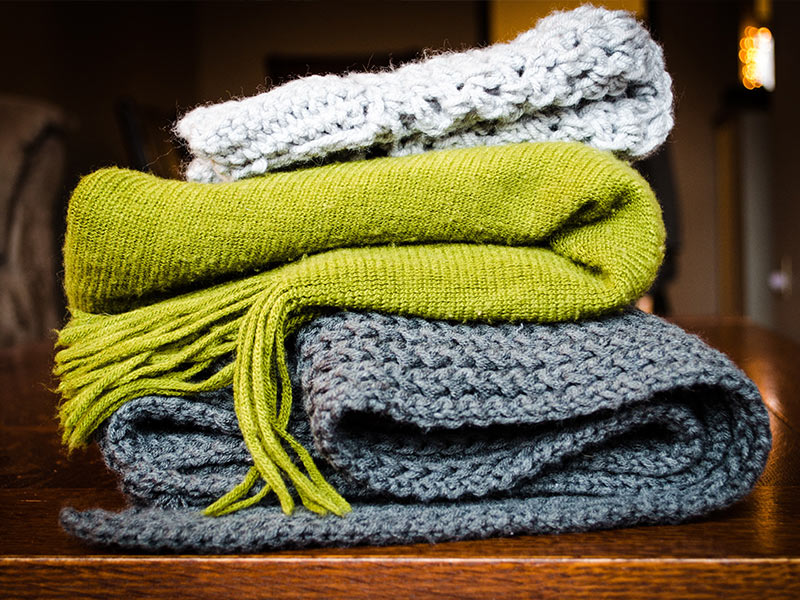
Best Yarn for Winter Sweaters: Warm, Durable & Commercially Viable Choices
Winter sweaters are one of the most important product categories in knitwear collections. Unlike transitional garments, winter sweaters must deliver strong insulation, long-term durability, and consistent comfort under cold conditions.
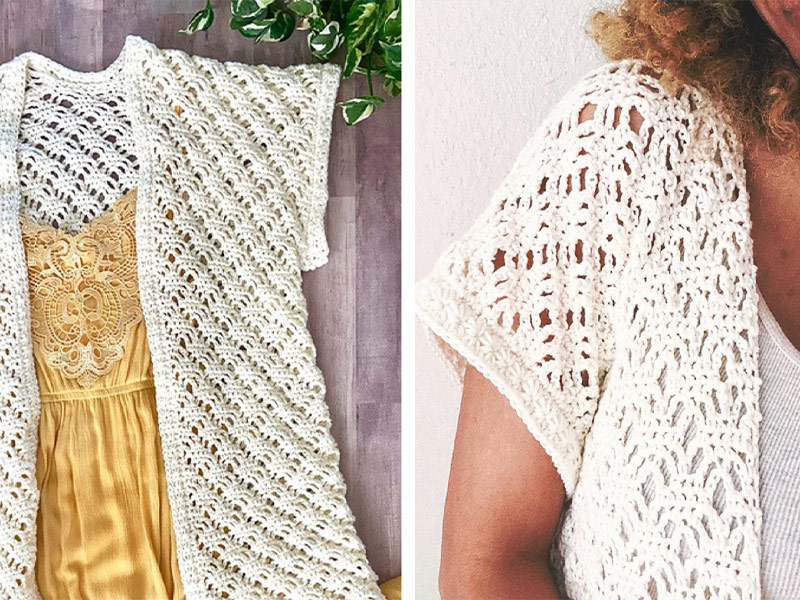
Best Yarn for Summer Cardigans: Lightweight, Breathable & Commercially Viable Options
Summer cardigans occupy a unique space in the apparel market. Unlike winter knitwear, they must provide light coverage without trapping heat, while still maintaining structure, drape, and aesthetic appeal.
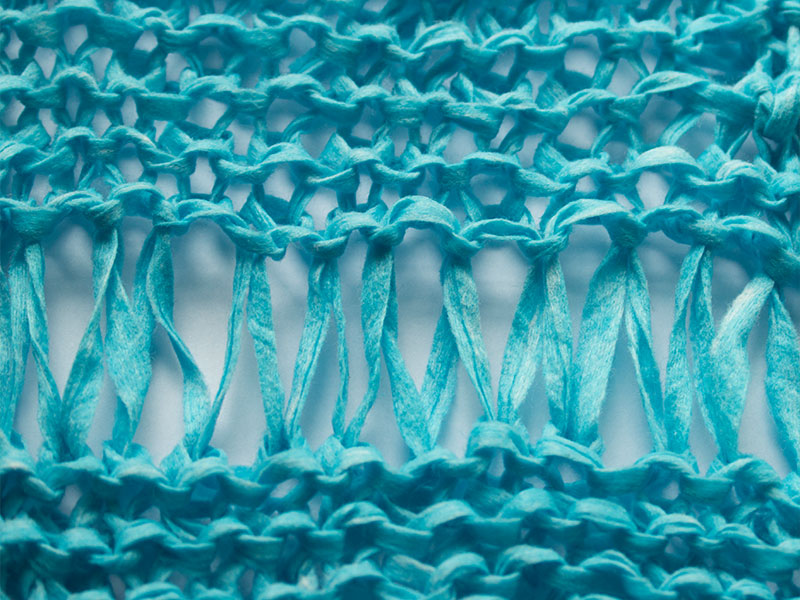
What Is Ribbon Yarn Good For? Uses, Benefits & Creative Applications Explained
Ribbon yarn is one of the most visually interesting types of fancy yarn. Ribbon yarn has a completely different texture than regular spun yarns because it is flat and tape-like and has a smooth surface.