
What is a Chenille Yarn?
Chenille yarn is one of the most luxurious and visually appealing yarns in the fancy yarn category. Its name comes from the French word chenille, meaning “caterpillar,” which perfectly describes the yarn’s fuzzy texture and soft hand-feel. Originally developed in the 18th century, chenille has become a popular choice for upholstery, fashion, and home textiles due to its tactile richness and elegant look.
In this blog post, we will explore what chenille yarn is, how it is made, its unique properties, and why it remains a favorite among textile professionals and designers. We’ll also provide insights into how chenille yarn compares to other fancy yarns and offer tips for incorporating it into your product line.
Understanding Chenille Yarn: A Fancy Yarn Classic
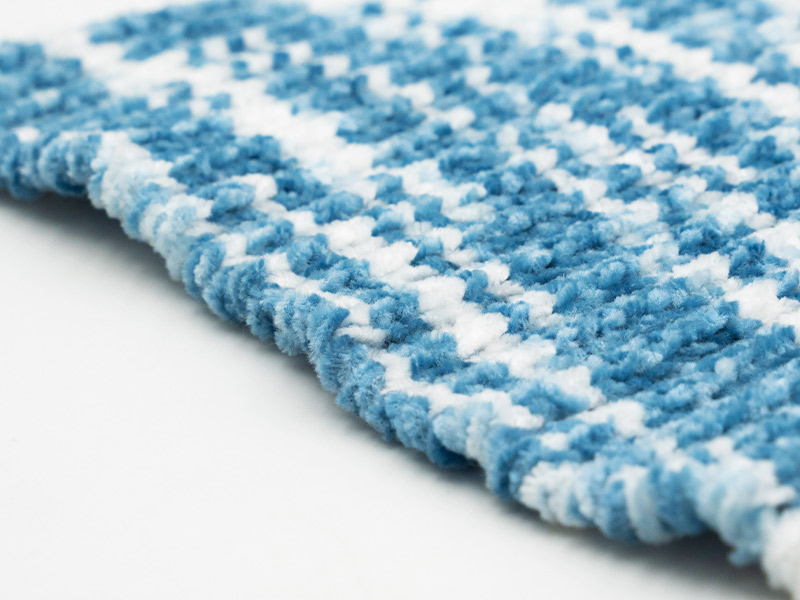
Chenille yarn is a type of fancy yarn that features a velvety, fuzzy pile protruding from all sides. It is made by weaving short lengths of yarn (known as “pile”) between two core yarns and then twisting them together. This construction gives chenille its iconic plush appearance and soft texture.
Unlike basic yarns such as spun or filament yarn, chenille is engineered for aesthetic effect. It falls under the category of fancy yarns due to its structure, texture, and surface effects. To learn more about different types of fancy yarns, check out our fancy yarn product overview.
How is Chenille Yarn Made?
The chenille manufacturing process is more complex than that of traditional yarns. It typically involves the following steps:
a. Core and Pile Yarn Selection
Two core yarns are selected to provide structural support. The pile yarns—usually made of cotton, acrylic, polyester, or rayon—are placed between the core yarns.
b. Pile Insertion
Two core yarns are selected to provide structural support. The pile yarns—usually made of cotton, acrylic, polyester, or rayon—are placed between the core yarns.
c. Twisting
The core and pile yarns are twisted together to lock the pile in place and create a fuzzy, caterpillar-like surface.
d. Cutting and Finishing
The yarn is trimmed and finished to enhance uniformity, stability, and visual appeal.
This multi-stage process results in a yarn with a rich, velvety surface and a strong visual dimension, setting chenille apart from flat or smooth yarns.
Key Characteristics of Chenille Yarn
Chenille yarn’s structure gives it a unique set of performance and aesthetic characteristics:
Property | Description |
Texture | Velvety, plush, and soft to the touch |
Appearance | Slight shimmer due to the pile catching light from various angles |
Durability | Moderate; best when stabilized by proper finishing or backing |
Color Absorption | Excellent; pile yarns hold dye well, allowing for deep, rich tones |
Dimensionality | Strong three-dimensional texture |
Its softness and sheen make chenille a go-to choice for designers seeking to add visual depth and tactile richness to a textile product.
Applications of Chenille Yarn
Chenille yarn is widely used across several industries, each leveraging its plush qualities in different ways:
a. Upholstery & Home Décor
Chenille is a favorite in the upholstery world. Sofas, armchairs, and decorative pillows made with chenille fabric exude comfort and class. Its textured surface adds interest and softness to interior furnishings.
Explore our range of fancy yarns for home textiles to find options suited for upholstery applications.
b. Fashion
Chenille has become trendy in winter wear—especially in sweaters, scarves, and hats—thanks to its insulating warmth and soft touch. It also adds a vintage or retro aesthetic to fashion collections.
c. Blankets & Throws
Due to its weight and plushness, chenille yarn is ideal for crafting thick, luxurious throws and blankets that are both warm and visually inviting.
d. Curtains & Drapery
Its elegant drape and sheen make chenille a good fit for premium curtains and other window treatments.
Chenille Yarn vs Other Fancy Yarns
When choosing a fancy yarn, it’s important to understand how chenille compares to other textured yarns like feather yarn, mink yarn, or bouclé.
Yarn Type | Surface Texture | Softness | Visual Appeal | Durability | Best Uses |
Chenille | Fuzzy, velvety | High | High | Medium | Upholstery, fashion, blankets |
Mink Yarn | Fur-like, dense | Very High | Very High | High | Garments, accessories, home items |
Feather Yarn | Wispy, flowing | Medium | High | Medium | Fashion accents |
Bouclé | Loopy, curly | Moderate | Textured | High | Jackets, throws, rugs |
For a closer look at our chenille and other fancy yarn options, browse our product catalog.
Common Fibers Used in Chenille Yarn
The performance of chenille yarn largely depends on the fibers used:
Cotton: Soft and breathable, often used for home textiles.
Polyester: Durable and colorfast, ideal for upholstery and fashion.
Acrylic: Lightweight and warm, often used in knitwear.
Rayon: Adds sheen and fluidity, ideal for drapery.
Our yarn customization service allows clients to specify fiber blends tailored to different applications and aesthetics.
Challenges When Working with Chenille Yarn
Despite its advantages, chenille yarn comes with specific considerations:
a. Worming Effect
When the pile fibers become dislodged from the core, they may twist into visible loops called “worms.” Proper twisting tension and gauge control can minimize this.
b. Care Instructions
Chenille fabrics can shrink or distort if not handled properly. Always recommend gentle washing or dry cleaning.
c. Finishing Needs
To stabilize the pile, many chenille fabrics require backing or special finishing techniques. This is particularly true for commercial upholstery applications.
If you are a product developer or brand considering chenille yarn, reach out to our technical team for support in selecting or developing the right yarn type.
Design Tips: How to Maximize Chenille’s Beauty
- Use simple weaves or knitsto showcase the texture.
- Combine with matte yarnsfor contrast and dimension.
- Choose solid colorsto highlight pile depth and light reflection.
- Avoid tight tensionin knitting or weaving to preserve softness.
These tips are based on years of experience working with specialty yarns for fashion and interiors.
Chenille Yarn in Contemporary Trends
Chenille is experiencing a design revival in recent years. It appears in:
- Retro-inspired knitwear
- Minimalist sofas and armchairs
- Cozy winter home accessories
- Children’s plush toys
Its nostalgic yet modern vibe fits well with both high-end and mass-market segments.
Where to Buy Premium Chenille Yarn
As a leading manufacturer of fancy yarns,Duoyou offers a curated selection of chenille yarns in various colors, counts, and blends. Whether you’re a brand sourcing for your next collection or a textile mill looking for quality consistency, we can help you with:
- OEM/ODM services
- Low minimum order quantity
- Global shipping
- Technical consultation and sampling
Browse our latest products in duoyouyarn.com or get in touch with us to request samples.
Final Thoughts
Chenille yarn is a timeless material that combines softness, style, and versatility. Its velvety texture and rich surface make it a favorite among designers in fashion, interiors, and textile manufacturing. Whether you’re crafting a cozy throw, a chic sofa, or a retro-inspired pullover, chenille yarn delivers both performance and beauty.
Related News
Discover more about the latest developments in the yarn industry, explore articles on development trends and innovative technologies, and provide you with more industry insights.
Best Yarn for Winter Sweaters: Warm, Durable & Commercially Viable Choices
Winter sweaters are one of the most important product categories in knitwear collections. Unlike transitional garments, winter sweaters must deliver strong insulation, long-term durability, and consistent comfort under cold conditions.
Best Yarn for Summer Cardigans: Lightweight, Breathable & Commercially Viable Options
Summer cardigans occupy a unique space in the apparel market. Unlike winter knitwear, they must provide light coverage without trapping heat, while still maintaining structure, drape, and aesthetic appeal.
What Is Ribbon Yarn Good For? Uses, Benefits & Creative Applications Explained
Ribbon yarn is one of the most visually interesting types of fancy yarn. Ribbon yarn has a completely different texture than regular spun yarns because it is flat and tape-like and has a smooth surface.