
Which Yarn Is a Novelty Fancy Yarn? Exploring Unique Textures, Types & Uses
In the vibrant and ever-evolving world of textiles, novelty fancy yarns — often simply called fancy yarns — represent a fascinating niche that brings creativity, personality, and unique textures to fabrics. Unlike traditional yarns that maintain uniformity in thickness and appearance, novelty yarns defy convention, offering irregularities that add visual interest and tactile richness. These special yarns are widely used in fashion, home décor, and artistic textiles to elevate the overall look and feel of finished products.
But what exactly defines a novelty yarn? What distinguishes it from regular yarn? And how can you effectively incorporate these yarns into your projects? This article delves deep into the world of novelty fancy yarns, exploring their defining features, types, manufacturing processes, and practical uses.
What Is a Novelty (Fancy) Yarn?
A novelty yarn, also known as fancy yarn or complex yarn, is any yarn that deviates from the regular, smooth, and uniform structure typical of conventional yarns. This deviation can manifest as variations in texture, thickness, fiber content, or visual effects that are purposefully designed into the yarn. The goal is to add interest, complexity, and sometimes even functionality to the yarn, which then translates into unique fabric qualities.
Unlike regular yarns, novelty yarns may include loops, slubs (thicker segments), metallic fibers, eyelash-like protrusions, or a combination of different materials. These irregularities provide richer textures and striking visual effects that make garments and textiles stand out.
Characteristics of Novelty Yarn
Novelty yarns are characterized by several distinct features:
- Irregular Thickness: Novelty yarns often have alternating thick and thin sections, slubs, or lumps that add a bumpy or textured surface.
- Decorative Elements: They frequently incorporate metallic threads, sequins, or loops to create sparkle, shine, or fuzzy effects.
- Varied Fiber Content: These yarns can blend multiple fiber types — natural, synthetic, or regenerated — to achieve specific looks or functional properties.
- Complex Structures: Novelty yarns are usually crafted through specialized spinning and plying techniques to build multi-layered or multi-component yarns.
- Visual and Tactile Depth: They enhance fabric appeal by adding dimension, softness, bulk, or shine.
Because of these features, novelty yarns add an artistic flair to fabrics, making them popular for fashion designers, knitters, and home décor creators seeking distinctive materials.
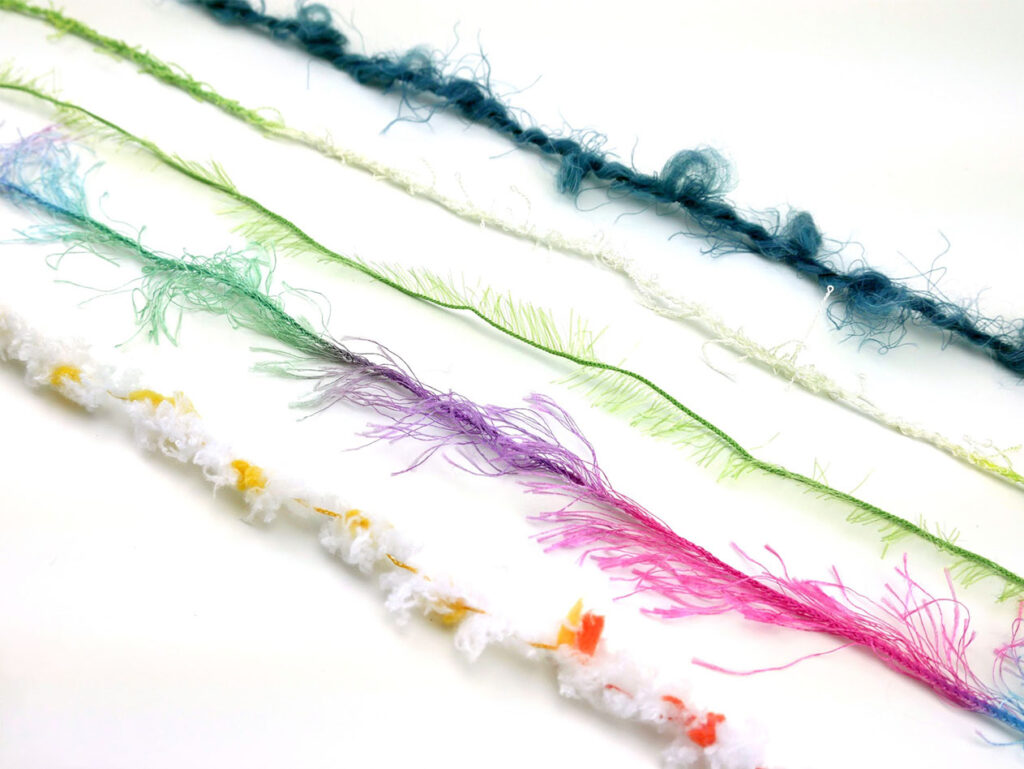
Common Types of Novelty Yarns
The diversity of novelty yarns is vast, but some types are especially popular and widely used. Here’s a closer look at key novelty yarn styles and their defining characteristics:
Type of Novelty Yarn | Key Features | Typical Uses |
Bouclé (Looped Yarn) | Yarns with loops along a base strand, creating a curly, knobby texture | Coats, upholstery, textured sweaters |
Chenille | Soft, fuzzy yarn resembling pipe cleaners, with a plush surface | Throws, blankets, cozy sweaters |
Ladder Yarn | Consists of flat “rungs” suspended between two core strands, creating ladder-like gaps | Decorative trims, unique fabric accents |
Ribbon/Tape Yarn | Flat or tubular, ribbon-like construction that is lightweight and smooth | Summer garments, decorative elements |
Slub Yarn | Intentionally varies thickness with thick and thin segments for a rustic or handmade appearance | Drapes, sweaters, rustic textiles |
Metallic Yarn | Incorporates metallic or glitter fibers for shine and sparkle | Evening wear, festive fabrics |
|
|
Each of these novelty yarns offers designers and textile artists a way to introduce texture, contrast, and special effects into their creations.
How Are Novelty Yarns Made?
Creating novelty yarns requires specialized spinning and plying techniques that introduce irregularities on purpose. Common production methods include:
- Irregular Plying: By varying tension or feed rates during plying, manufacturers create loops, slubs, or thick-thin variations.
- Multipart Construction: Combining a core yarn with effect and binding plies, which enables complex textures and multi-fiber blends.
- Embellishment Integration: Adding sequins, metallic threads, or looped fibers during spinning or twisting to embed decorative elements directly into the yarn.
- Chemical and Mechanical Finishing: Techniques such as heat setting, brushing, or singeing can enhance the texture or appearance post-spinning.
Because of these complex processes, novelty yarns often require more careful handling during knitting or weaving to maintain their unique characteristics.
Best Uses of Novelty Fancy Yarns
Novelty yarns shine in applications where texture, visual interest, and artistic expression are desired. Some ideal uses include:
- Knitwear & Accessories: Scarves, hats, shawls, and statement sweaters that benefit from rich textures and eye-catching surfaces.
- Home Décor: Throws, cushions, wall hangings, and upholstery fabrics where novelty yarns add dimension and warmth.
- Weaving: Typically used as weft yarns to avoid warp tension issues, novelty yarns bring texture and complexity to woven fabrics.
- Fashion Embellishments: Trims, hems, collars, or entire sections of garments that require sparkle, volume, or unique tactile appeal.
- Crafts & Artistic Projects: Ideal for creative knitters, weavers, and textile artists exploring new patterns and structures.
Why Choose Novelty Yarn?
There are many reasons to incorporate novelty yarns into your textile projects:
- Distinct Visual Appeal: Irregular textures and unexpected materials instantly draw attention and elevate simple designs.
- Creative Versatility: They can be combined with traditional yarns to customize fabric aesthetics and functionality.
- Expressive Possibilities: Ideal for designers and artisans who want to push boundaries and add personality to their work.
- Enhanced Fabric Performance: Some novelty yarns improve insulation, bulk, or elasticity, adding practical benefits alongside beauty.
Tips for Working with Novelty Yarn
Because of their unique structure, novelty yarns can be challenging to handle. Here are some tips:
1. Use larger needles or hooks to accommodate bulky or textured yarns.
2. Combine novelty yarns with smooth yarns to highlight texture contrasts.
3. Avoid very tight tension; let the yarn breathe to maintain its special effects.
4. Test swatches before large projects to understand the drape and behavior.
5. Consider the end use carefully — some novelty yarns may be less durable or prone to snagging.
Conclusion
In essence, novelty fancy yarns break the mold of uniformity, offering irregular textures, mixed materials, and decorative effects that add flair and personality to textiles. From the cozy loops of bouclé to the shimmering strands of eyelash yarn, these yarns serve as essential tools for designers, knitters, and textile artists aiming to create eye-catching, unique fabrics.
If you’re interested in experimenting with novelty yarns for your next knitting, weaving, or craft project, we invite you to explore our collection of high-quality fancy yarns. Let us help you bring your creative visions to life with yarns that inspire and delight.
Related News
Discover more about the latest developments in the yarn industry, explore articles on development trends and innovative technologies, and provide you with more industry insights.
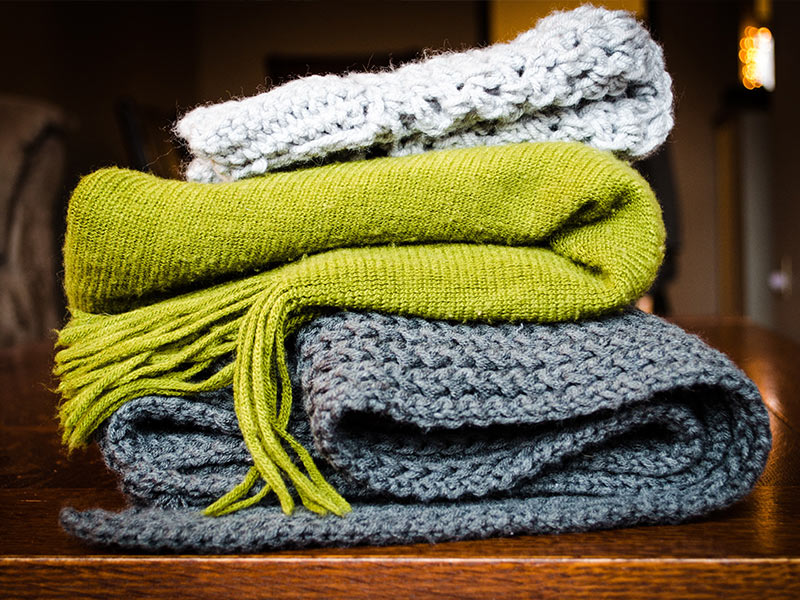
Best Yarn for Winter Sweaters: Warm, Durable & Commercially Viable Choices
Winter sweaters are one of the most important product categories in knitwear collections. Unlike transitional garments, winter sweaters must deliver strong insulation, long-term durability, and consistent comfort under cold conditions.
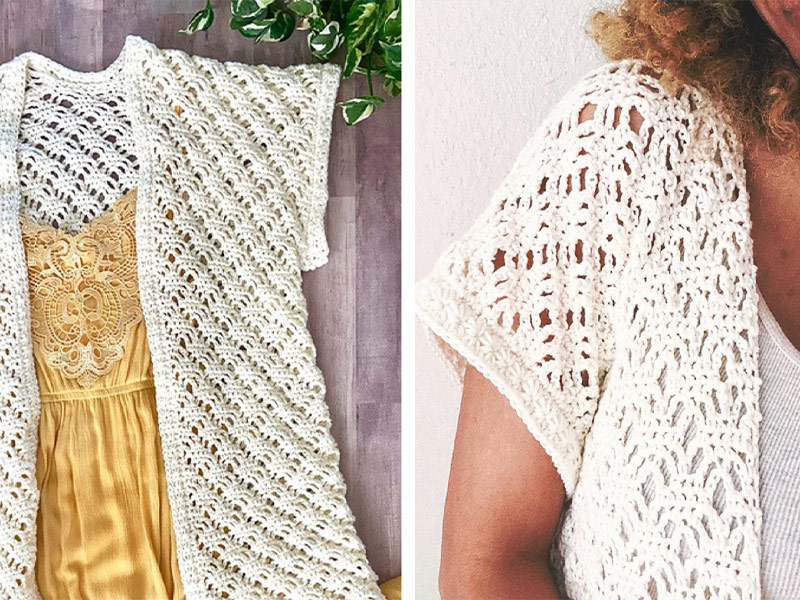
Best Yarn for Summer Cardigans: Lightweight, Breathable & Commercially Viable Options
Summer cardigans occupy a unique space in the apparel market. Unlike winter knitwear, they must provide light coverage without trapping heat, while still maintaining structure, drape, and aesthetic appeal.
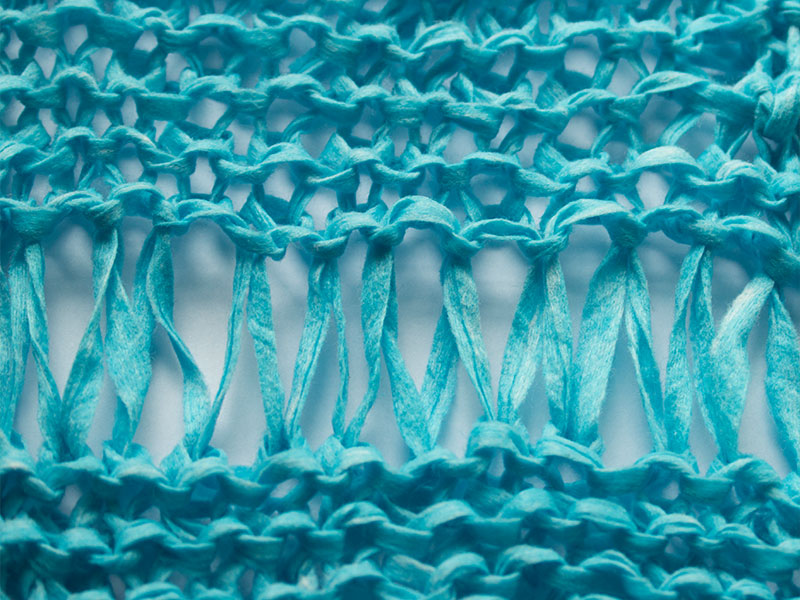
What Is Ribbon Yarn Good For? Uses, Benefits & Creative Applications Explained
Ribbon yarn is one of the most visually interesting types of fancy yarn. Ribbon yarn has a completely different texture than regular spun yarns because it is flat and tape-like and has a smooth surface.