
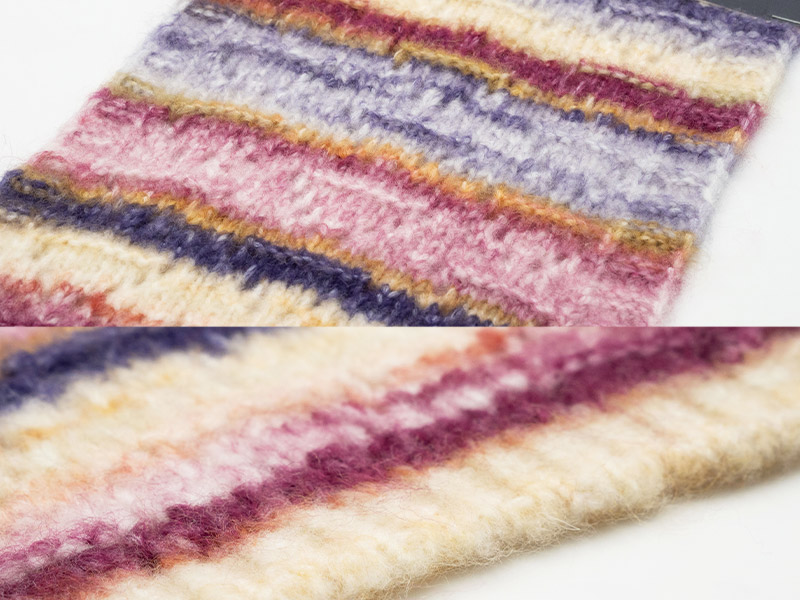
Wool Acrylic Blend Yarn: Benefits, Uses & Wholesale Sourcing Guide
The choice of fiber in the textile industry affects not only the quality of the finished product, but also how well it works, how much it costs, and how much people want to buy it. Wool and acrylic are two of the most popular fibers, and each has its own benefits. Wool is known for being warm, strong, and breathable, while acrylic is known for being strong, cheap, and easy to care for.
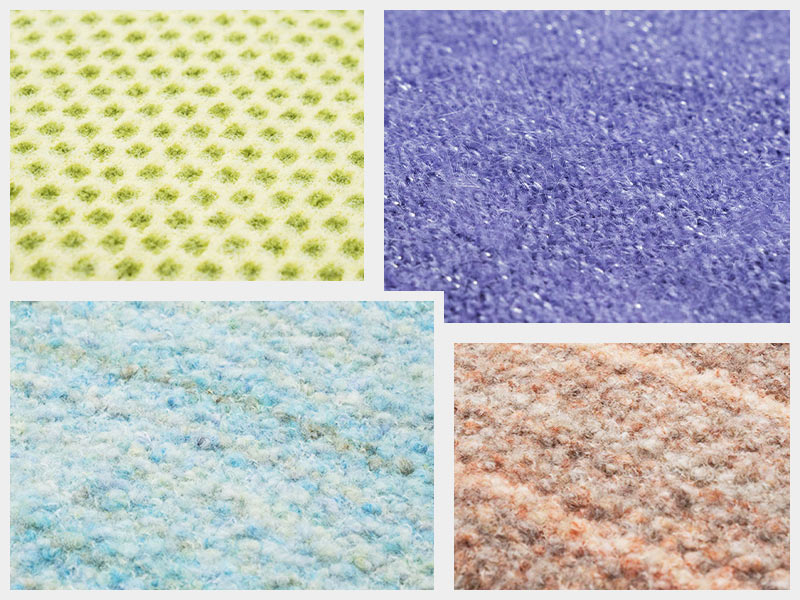
Blended yarns are very important in the modern textile industry because they let you combine the best parts of different fibers while getting rid of their worst parts. When you spin two or more types of fiber together, like cotton with polyester, wool with nylon, or cotton with spandex, you get a blended yarn. This type of yarn has properties that aren’t found in single-fiber yarns.
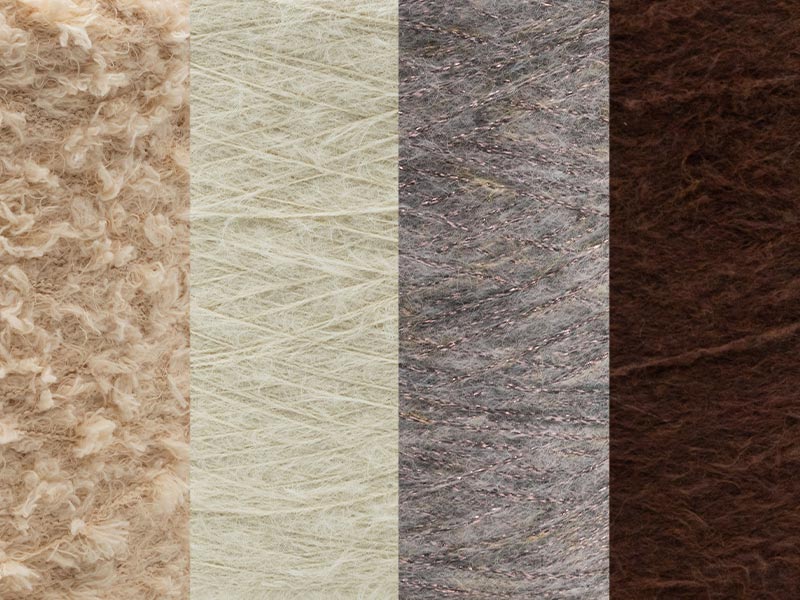
What Is Faux Mink Material? Ultimate Guide to Luxurious, Ethical Faux Fur
Faux mink material is a premium type of synthetic fur designed to imitate the lush, silky softness of real mink fur—without using any animal fibers. As an ethical and cost-effective alternative, faux mink offers elegance, warmth, and versatility for fashion, home décor, and craft applications. Its popularity has surged in recent years as both brands and consumers look for more sustainable, cruelty-free textile options.
But what exactly is faux mink? How is it different from other faux furs, and what makes it ideal for specific projects? Let’s explore everything you need to know.